
Blog
What to Know Before You Replace a Garage Door in Everett
A guide for Everett, WA homeowners on replacing a garage door, built around this area's 1968-2000 housing stock and cold, damp Pacific Northwest climate.
What the Weather Here Does to It
Everett sits in a cold-moderate climate band, which doesn't mean brutal winters so much as a long stretch of damp, gray months where moisture is the real enemy. Steel doors here rust from the bottom panel up, usually where the weatherstrip has failed and water's been sitting against the track for a season or two without anyone noticing. Wood doors and wood-trimmed steel doors swell at the seams in the wet months and then dry out and crack when a stretch of sun finally shows up. Because most of the housing in this service area went up between 1968 and 2000, with the bulk of it dating to the 1980s and 90s, a lot of original doors are now thirty to fifty years old and were never built to the insulation standards available today. If your door is from that original build, the hardware - hinges, rollers, the bottom seal retainer - has usually outlasted its useful life even if the panels still look fine from the driveway.
The Situation
Across the 36 named areas we cover, from Port Gardner and Bayside close in to Snohomish, Mukilteo, Machias, and Lake Stickney a few miles out, the housing is remarkably consistent in age: built mostly 1968-2000, median around 1990. That means a huge share of the roughly 81,308 owner-occupied houses in this area are hitting the point where a garage door isn't a cosmetic choice anymore, it's a structural one. With median household income here at $116,095, most owners replacing a door are choosing between a mid-grade insulated steel door and a higher-end option, not deciding whether to repair instead - by the time a door from this era needs full replacement, the torsion springs, drums, and cable system are usually original too, and parts for 1980s-90s openers and track hardware are getting harder to source new.
The Common Mistake
The mistake we see most in this area is homeowners replacing a door with whatever matches the old opening size and calling it done, without accounting for the insulation gap between a 1980s-era door and anything built to current standards. A cold-moderate climate doesn't punish you the way a true freeze-thaw region does, but an uninsulated or thinly-insulated door still means a noticeably colder garage, condensation on tools and vehicle panels, and in attached garages, a cold wall between the garage and the house that the old door was never designed to manage. The other version of this mistake is going the opposite direction and buying more R-value than the garage needs for a space that's unheated and used for storage, which just adds cost without a real benefit. The honest answer is that the right door depends on how the garage gets used, not just what era the house is from - and that's a conversation worth having before you order, not after.
Season by Season
Late fall through winter is when the damp really sets in, and it's when we see the most calls for swollen panels, frozen rollers, and bottom seals that have hardened and cracked from repeated wet-dry cycling. Spring brings the heaviest rain stretch, and it's the best time to replace weatherstripping and check drainage at the base of the track before summer, when things dry out and a door that's been sticking all winter suddenly seems to work fine - that's deceptive, since the underlying wear doesn't go away with good weather. Early fall is the window we'd recommend for a full replacement if your door is from the original 1968-2000 build era: the installer isn't fighting rain, and you're set before the wet months test the new weatherseal and insulation. One limitation worth saying plainly: custom sizes and real wood doors take longer to get here than standard steel, since that's a manufacturer lead time, not something we can speed up on our end.
Questions
Common questions
How do I know if my garage door is original to the house?
If your house was built in the 1980s or 90s, which covers most of this area, check the hinges and track hardware for a dull, pitted look rather than galvanized shine, and look for a single-layer steel panel with no visible insulation foam on the inside. If the bottom seal is cracked and hard rather than flexible, that's another sign it's original and due.
Do I need an insulated door if my garage isn't heated?
Not necessarily. In this cold-moderate climate, an uninsulated door is workable for a garage used purely for storage or parking, but if the garage shares a wall with living space, an insulated door cuts down on the cold transfer noticeably and helps with condensation on cold, damp days.
Why is my new door taking longer to arrive than I expected?
Custom widths and wood or wood-look doors go through manufacturer lead times we don't control, which can run longer than a standard steel door in a common size. Standard sizes in steel are usually the fastest option if timing matters more than finish.
Recommendation
You Might Also Like
More garage door guides for Everett homeowners.
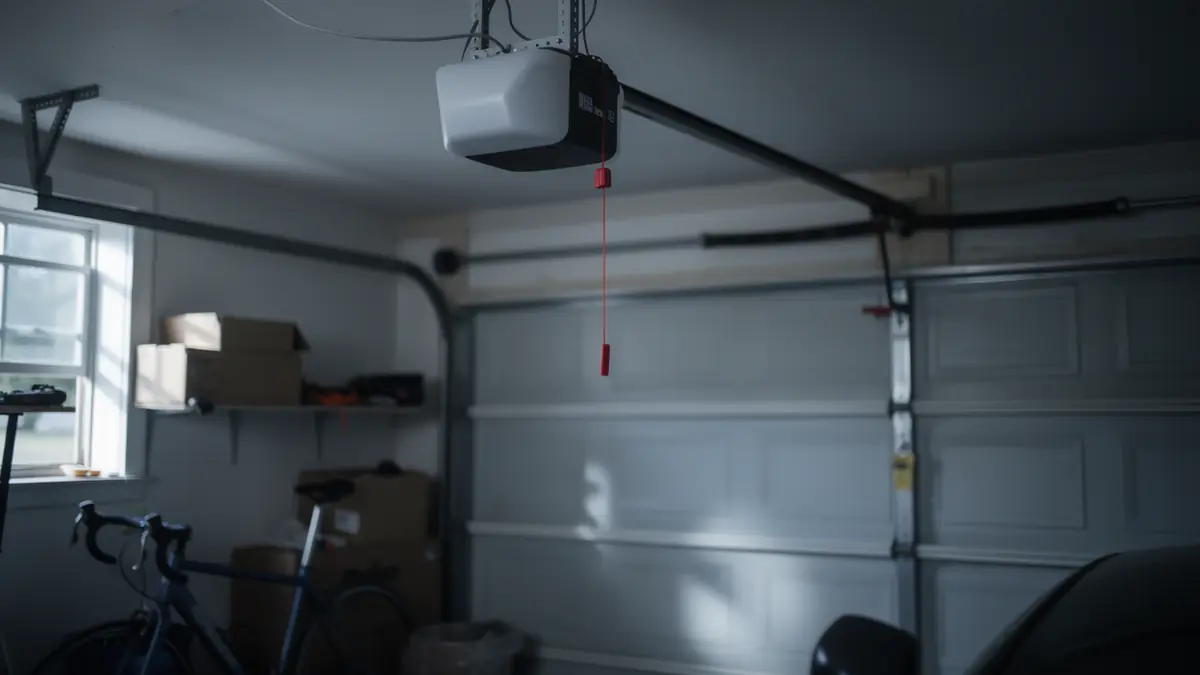 Openers and Power Cuts in Everett Homes
How Everett's cold-moderate climate and 1968-2000 housing stock affect garage door openers during power cuts, plus what to check before winter.
Openers and Power Cuts in Everett Homes
How Everett's cold-moderate climate and 1968-2000 housing stock affect garage door openers during power cuts, plus what to check before winter.
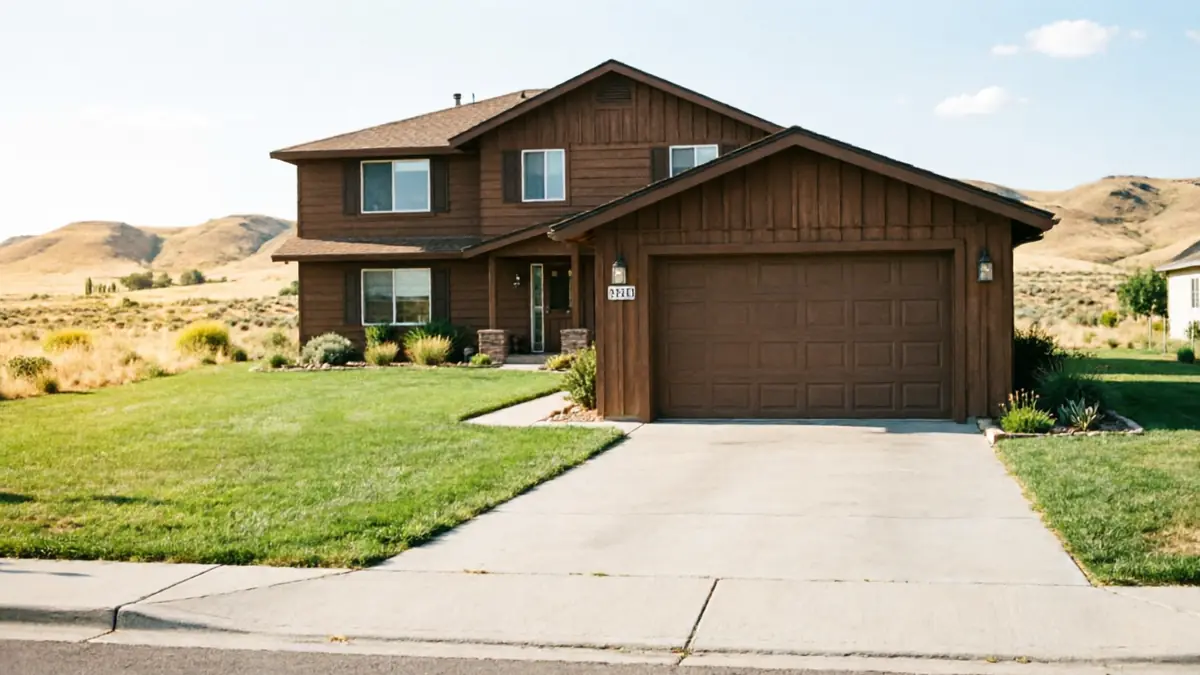 What an Older Door Is Worth Fixing in Everett
Everett homes mostly date to the 1968-2000 building boom.
What an Older Door Is Worth Fixing in Everett
Everett homes mostly date to the 1968-2000 building boom.
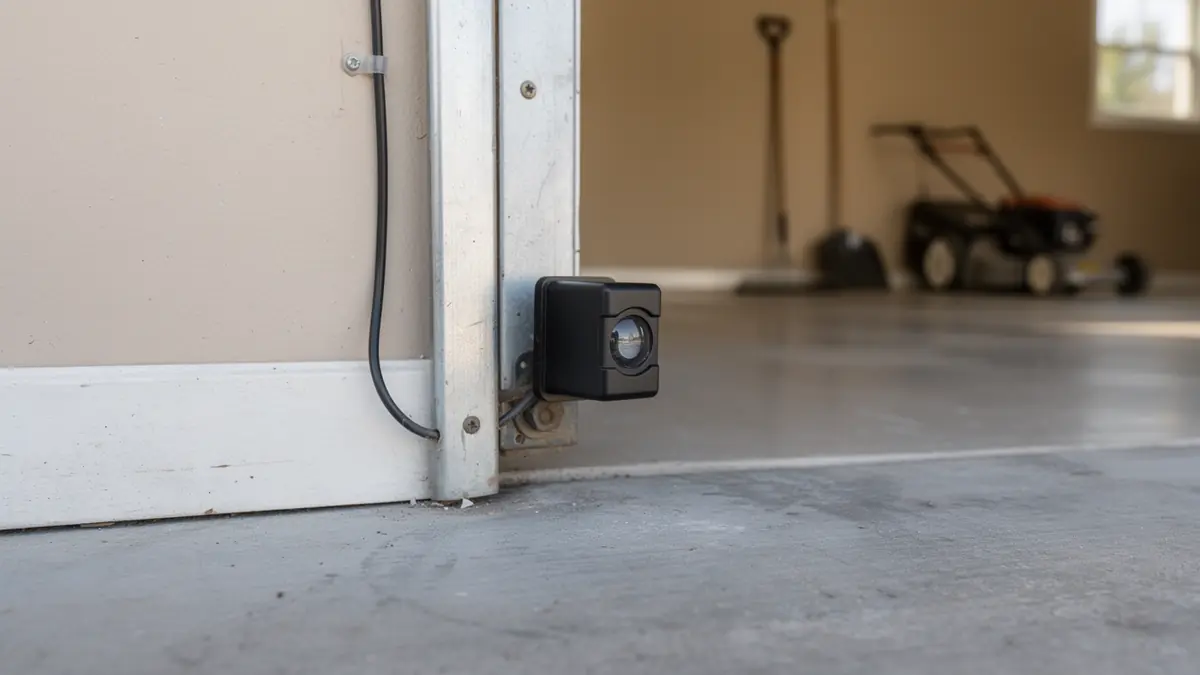 What Your Garage Door Is Trying to Tell You
Everett homes built 1968-2000 have specific garage door failure points.
What Your Garage Door Is Trying to Tell You
Everett homes built 1968-2000 have specific garage door failure points.
Ready when you are
Need a garage door sorted in Everett?
Everett Garage Door Pros repairs and installs garage doors, springs and openers in Everett, WA and the surrounding area.