
Blog
What Everett's Climate Does to Your Garage Door Seals
Everett homes built mostly between 1968 and 2000 lose heat fast through worn garage door seals. Here's what the cold, damp climate does to those seals year over year.
What the Weather Here Does to It
Everett sits in a cold-moderate climate band, which doesn't mean brutal winters so much as long stretches of damp, cool air that never really dries out between rain events. That's harder on a garage door seal than a single hard freeze would be. The bottom seal and the weather stripping around the jambs spend months swelling with moisture, then shrinking a little on the rare dry, cold days, then swelling again. Vinyl and rubber seals both take a beating from that cycle, and on a door that's original to a house built in the 1980s or 90s, the seal has usually been replaced once already, if at all.
Draughts show up first at the bottom corners, where the seal meets the track, and second along the top panel where weather stripping compresses unevenly if the door's gone slightly out of square over the decades. You'll feel it as a cold line across the garage floor on a still morning, or notice the door rattling more than it used to when wind comes off the water side of town. Neither is an emergency. Both get worse if you leave them, because a gap that lets in air also lets in grit that chews up the rollers and track faster than they'd otherwise wear.
The Situation
Most of the housing stock in this service area went up between 1968 and 2000, with the median build year landing around 1990. That's relevant because garage doors from that era, especially the steel sectional doors common to 1980s and 90s tract construction across the 36 named communities we cover, weren't built with the seal technology you'd get on a door installed today. The gasket channels are shallower, the thresholds are thinner, and a lot of these doors never had a bottom seal upgraded past what the builder put in.
If your house falls in that 1968-2000 window, and a large share of homes from Port Gardner and Bayside out through Silver Firs and Cathcart do, there's a good chance the seal on your door is original or close to it. Thirty-plus years of damp cold-moderate weather is a long time for rubber to hold its shape. The fix is rarely the whole door. Usually it's the bottom astragal and the side/top weather stripping, which are cheap compared to a full replacement and solve most of the draught complaint on their own.
The Common Mistake
The mistake we see most is homeowners assuming a draughty door means a broken door, and either living with it for years or jumping straight to a full replacement quote. Neither is usually right. A seal that's cracked, flattened, or pulled away from the track rail is a parts fix, not a structural one, and on a door from the 1980s or 90s housing stock common in this area, the panel and hardware underneath the worn seal are often still sound.
The other common mistake is sealing just the bottom and ignoring the sides and top. In a damp cold-moderate climate like this one, air finds the path of least resistance, and if the bottom seal is new but the side weather stripping is still original, the draught just moves up a foot and you're back where you started. We check all three strips as a set, not the bottom alone, because a half-sealed door still runs the furnace longer than it needs to.
Season by Season
**Fall** is when seals that survived summer start to show it. Cooler nights shrink rubber that swelled all summer, and that's when gaps open up along the top corners first.
**Winter** in this cold-moderate band means sustained damp more than deep freeze, so the risk isn't a seal splitting from ice, it's the seal staying compressed and wet for weeks, which speeds up rot in older vinyl strips, especially the ones original to 1980s and 90s builds.
**Spring** is repair season for us, because that's when homeowners notice the heating bill from winter and finally deal with the draught they felt in January.
**Summer** is the easiest time to replace a seal correctly, since the rubber is pliable and seats into the track channel without the stiffness that makes a cold-weather install harder to get airtight. If you're going to do this job yourself, summer is when to do it.
Questions
Common questions
How do I know if my garage door's draught is just the seal and not the door itself?
Run your hand along the bottom and sides on a cool day. If you feel air only right at the seal line and the panel itself feels solid with no flex or rust, it's almost always the seal, not the door. Seal replacement is a straightforward parts job on most doors from the common 1980s-90s stock in this area.
Why does my garage door seal fail faster here than a friend's door in a drier climate?
Everett's cold-moderate band stays damp for long stretches rather than hitting hard freezes. Rubber and vinyl seals swell with sustained moisture and don't get the dry-out period that lets them reset their shape, so they soften and tear sooner than the same seal would in a drier region.
Is it worth replacing the seal on an original 1980s or 90s door, or should I replace the whole door?
If the panel, track, and hardware are sound, a seal swap is almost always worth it first. We only recommend a full door replacement when the panel itself is bent, rusted through, or the door is out of square enough that no seal will seat properly against the frame.
Recommendation
You Might Also Like
More garage door guides for Everett homeowners.
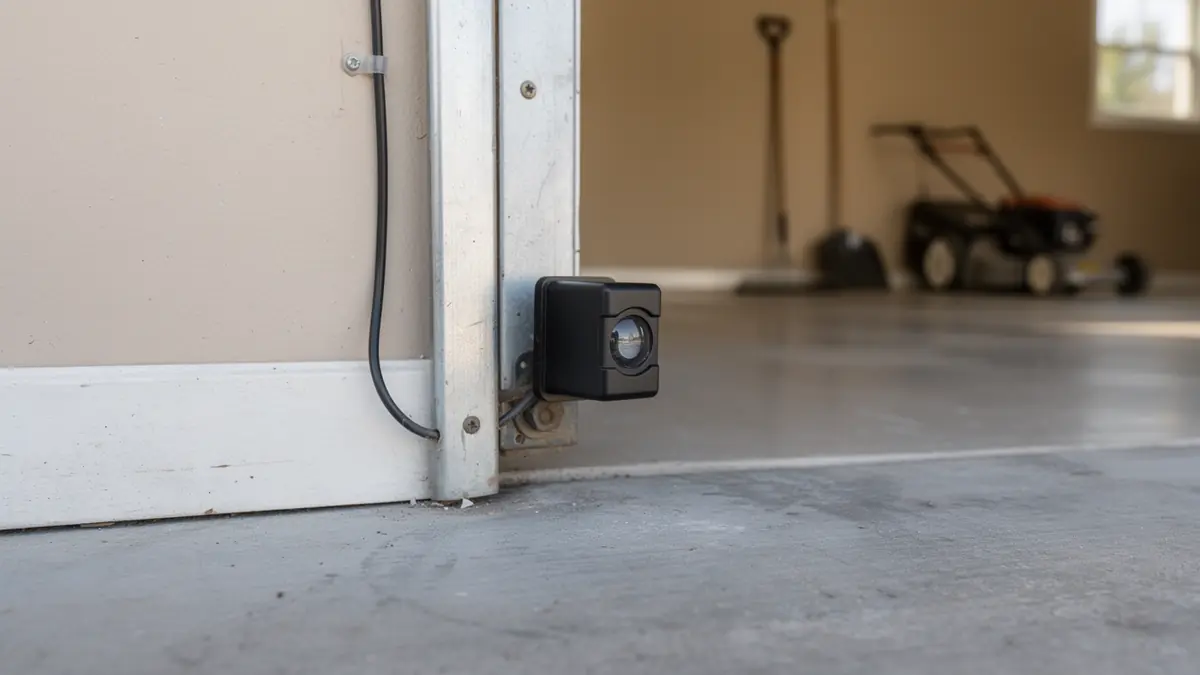 What Your Garage Door Is Trying to Tell You
Everett homes built 1968-2000 have specific garage door failure points.
What Your Garage Door Is Trying to Tell You
Everett homes built 1968-2000 have specific garage door failure points.
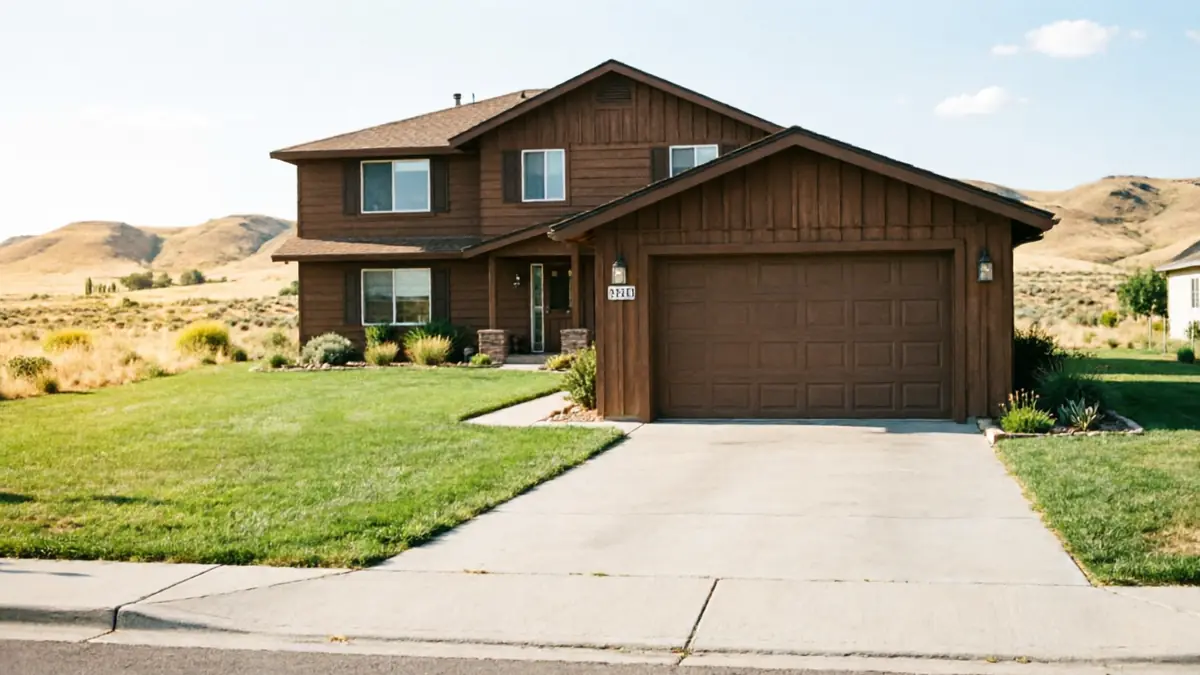 What an Older Door Is Worth Fixing in Everett
Everett homes mostly date to the 1968-2000 building boom.
What an Older Door Is Worth Fixing in Everett
Everett homes mostly date to the 1968-2000 building boom.
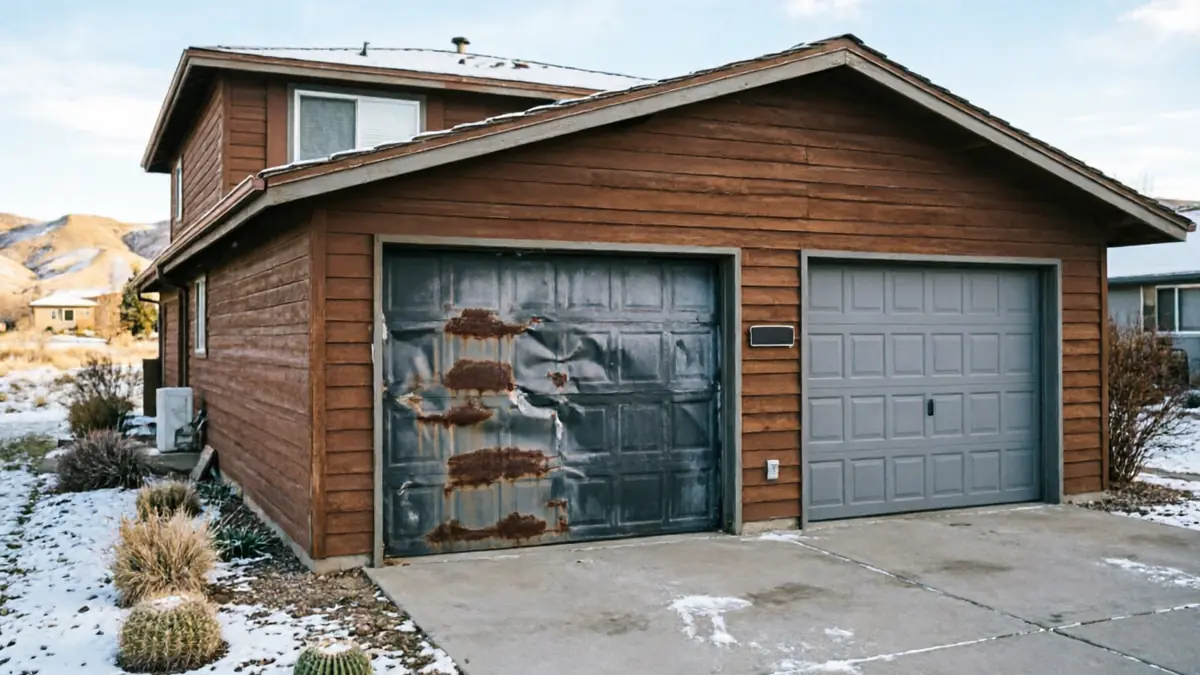 What to Know Before You Replace a Garage Door in Everett
A guide for Everett, WA homeowners on replacing a garage door, built around this area's 1968-2000 housing stock and cold, damp Pacific Northwest climate.
What to Know Before You Replace a Garage Door in Everett
A guide for Everett, WA homeowners on replacing a garage door, built around this area's 1968-2000 housing stock and cold, damp Pacific Northwest climate.
Ready when you are
Need a garage door sorted in Everett?
Everett Garage Door Pros repairs and installs garage doors, springs and openers in Everett, WA and the surrounding area.