
Blog
What Your Garage Door Is Trying to Tell You
Everett homes built 1968-2000 have specific garage door failure points. Here's what the cold, damp climate does to doors from that era, and which noises to act on.
What the Weather Here Does to It
Most houses on this side of Everett, from Port Gardner out through Bayside and View Ridge Madison, went up between 1968 and 2000, with the bulk of that stock dating to the 1980s and 90s. That matters because the climate here sits in a cold-moderate band - not the deep freeze of the mountain passes, but steady damp cold that doesn't let up for months. Steel doors from that build era don't have the thermal breaks or sealed bottom sections you'd find in anything built in the last ten years. Moisture gets into the hinge pivots and the spring coils and just sits there. You don't get a dramatic failure most of the time. You get a slow one: a hinge that starts squeaking in November and seizes by February. The galvanized coating on a 30-plus-year-old torsion spring has usually worn thin by now, too, so rust bites into the wire itself, not just the surface. That's a weaker spring carrying the same door weight it always has, and it shows up as a grinding or popping sound right before it lets go.
The Situation
Across the service area there are roughly 140,774 households, with about 81,308 of those owner-occupied houses - the kind with an attached or detached garage and a door that's original to the build or close to it. A door installed when a house went up in 1985 or 1990 is now on its second or third spring, if the owner has kept up with it, or still running the first one if they haven't. We see a lot of the second kind. With median household income here around $116,095, most owners can afford to fix things properly rather than patch them, but a lot of doors in this age range get left alone until they fail outright because the symptoms are quiet - a slightly slower close, a new rattle on the track, a cable that looks a little more frayed than last year. None of that feels urgent until the day it is.
The Common Mistake
The mistake we see most in houses from this 1968-2000 wave is spraying the track and calling it maintenance. Track lubricant does nothing for a spring that's lost tension or a hinge that's corroding from the inside. Worse, some owners hear a grinding sound, assume it's the opener motor, and replace the opener - a $100-plus part swap that does nothing because the actual problem was a bent track or a spring carrying uneven load. The opener is rarely the first thing to go wrong on a door this age. It's usually the hardware supporting the door's weight: springs, cables, rollers, and the hinges at the panel folds. If you're hearing a new sound and your instinct is to grease it, check the spring and cable condition first. That's the part that can hurt you if it fails while the door is in motion.
Season by Season
Fall is when the squeaking starts, as moisture works into hinge pivots that spent summer dry. That's the easiest window to catch a problem before the cold sets in. Winter is when steel contracts and anything already under stress - a spring with rust pitting, a cable with a few broken strands - is most likely to snap, because cold metal has less give. Spring brings the thaw and with it, moisture that got trapped over winter finally showing as rust streaks on the bottom panel or on rollers. Summer is the only stretch where the climate isn't actively working against the door, which makes it the right time for anyone with a house from the 1968-2000 wave to get springs and cables checked before the next cold stretch starts the cycle over. One honest limit: if a door from that era has a bent track along with spring wear, replacing the door is usually cheaper than chasing repairs on hardware that's at the end of its life anyway.
Questions
Common questions
Why does my garage door squeak more in the fall than any other time?
Houses in this area built from the 1968-2000 wave have hinge hardware that wasn't sealed against moisture. Summer dries everything out, so when fall dampness moves back in, the pivots pick up moisture again and start squeaking. It's usually the first sign of hinge wear, not a sign anything is about to fail.
Is a grinding noise always the opener?
No. On doors from this era the opener is rarely the first part to fail. A grinding sound more often means a bent track, a worn roller, or a spring carrying uneven load. Replacing the opener without checking the hardware supporting the door's weight usually doesn't fix the actual problem.
When does it make more sense to replace the door than repair it?
If a door from the 1968-2000 stock has a bent track along with spring or cable wear, you're usually better off replacing the door outright. Chasing repairs on multiple failing parts at the end of their service life tends to cost more over time than one replacement.
Recommendation
You Might Also Like
More garage door guides for Everett homeowners.
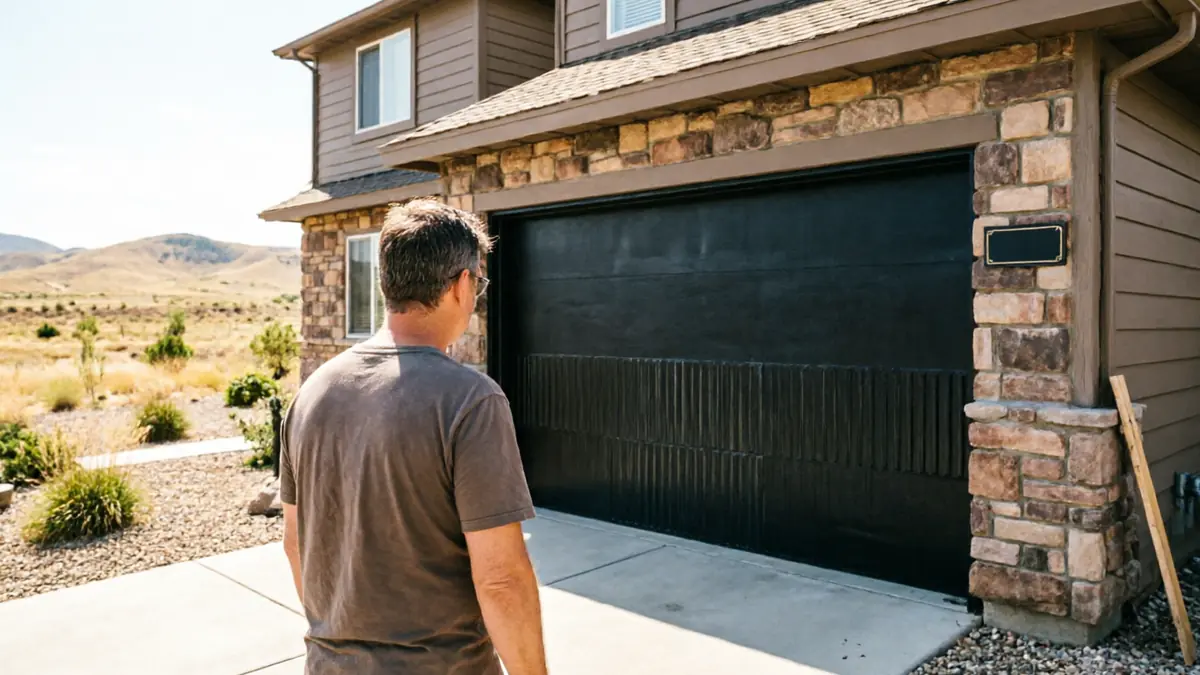 What Everett's Climate Does to Your Garage Door Seals
Everett homes built mostly between 1968 and 2000 lose heat fast through worn garage door seals.
What Everett's Climate Does to Your Garage Door Seals
Everett homes built mostly between 1968 and 2000 lose heat fast through worn garage door seals.
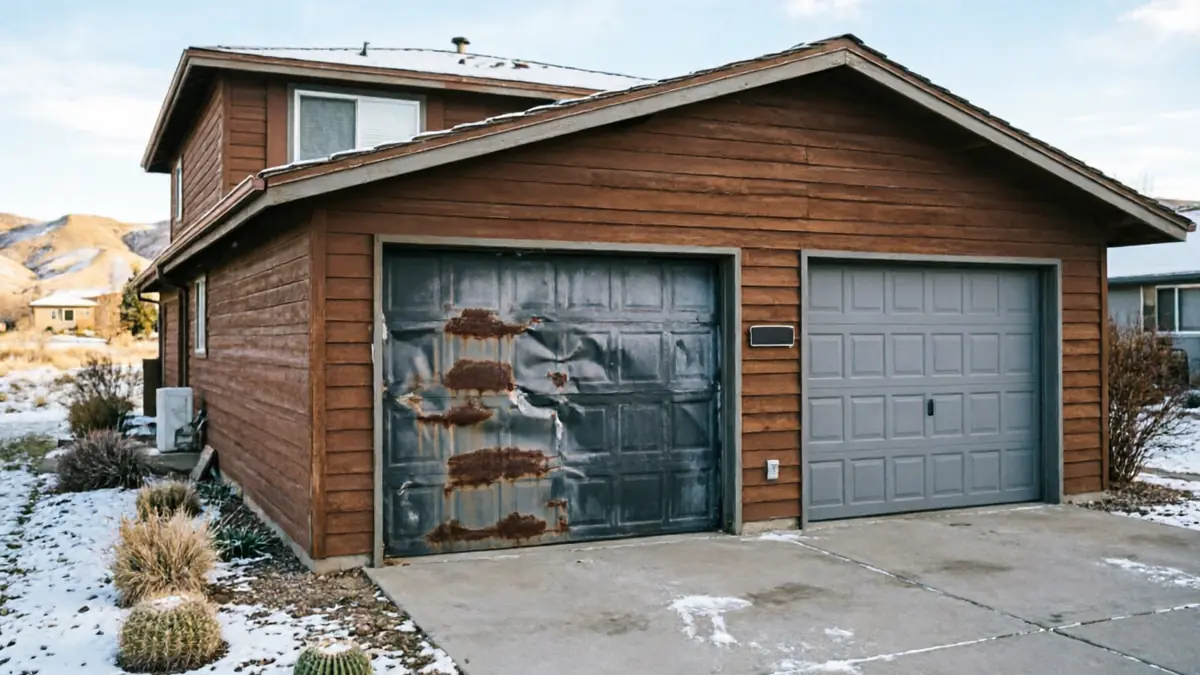 What to Know Before You Replace a Garage Door in Everett
A guide for Everett, WA homeowners on replacing a garage door, built around this area's 1968-2000 housing stock and cold, damp Pacific Northwest climate.
What to Know Before You Replace a Garage Door in Everett
A guide for Everett, WA homeowners on replacing a garage door, built around this area's 1968-2000 housing stock and cold, damp Pacific Northwest climate.
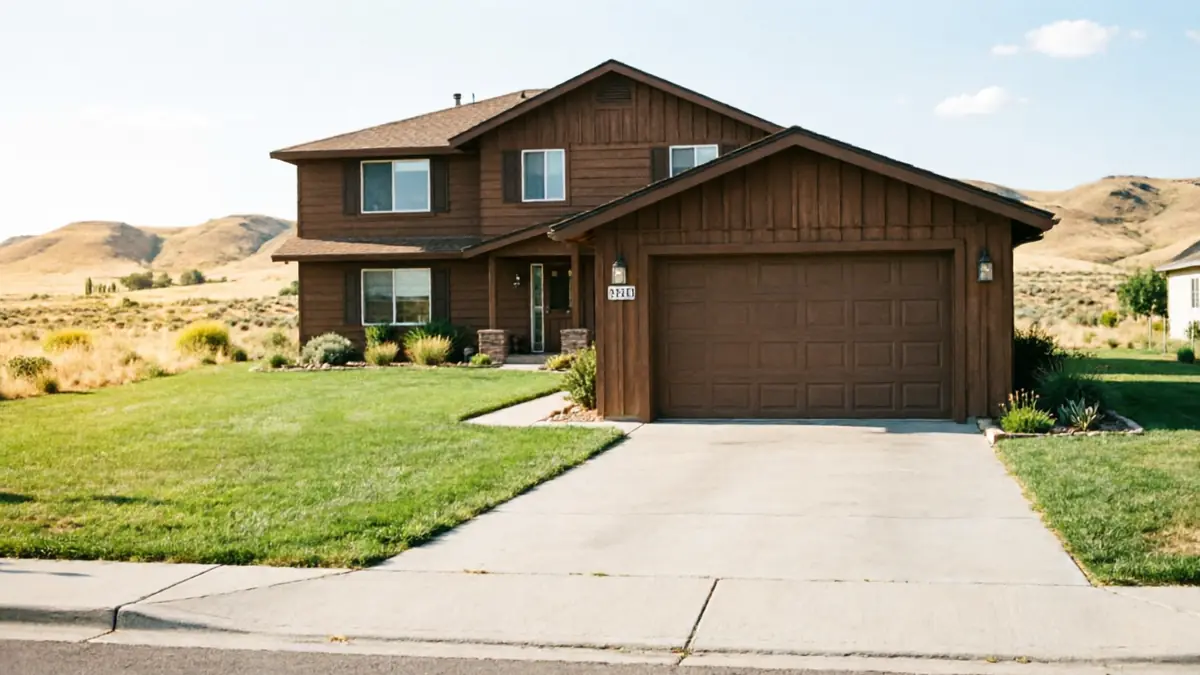 What an Older Door Is Worth Fixing in Everett
Everett homes mostly date to the 1968-2000 building boom.
What an Older Door Is Worth Fixing in Everett
Everett homes mostly date to the 1968-2000 building boom.
Ready when you are
Need a garage door sorted in Everett?
Everett Garage Door Pros repairs and installs garage doors, springs and openers in Everett, WA and the surrounding area.