
Blog
What We Check First When We Pull Up to Your Door
A look at what we actually check first on an Everett garage door call, tied to this area's 1968-2000 housing stock, cold winters, and nearby neighborhoods.
What the Weather Here Does to It
Everett sits in a cold, moderate climate band, which doesn't mean brutal winters, but it does mean steady freeze-thaw cycling and damp air most of the year. That combination is hard on galvanized torsion springs and on steel tracks bolted to wood jambs. Cold steel contracts and loses a little lift; a spring calibrated on a mild day will feel stiffer by January, and a door that closed level in October can start dragging on one side by February. Moisture matters just as much as temperature. Condensation inside an unheated garage settles on the track and the bottom roller bearings, and over a few winters that turns into surface rust nobody notices until a roller starts binding. We check the spring's wind count and the track alignment before we touch the opener, because in this climate those two things drift first and the opener gets blamed for problems it didn't cause. None of this is dramatic weather. It's just the slow, repeated cycling that this part of the country gets every year, and it adds up faster on hardware that's already twenty or thirty years old.
The Situation
Most of the housing we work on in this service area went up between 1968 and 2000, with the bulk of it dating to the 1980s and 90s, spread across 36 named communities from Port Gardner and Bayside near the water out to Silver Firs and Cathcart further inland. That means a lot of original torsion hardware is still in place, sized for doors and openers that were standard thirty years ago but aren't always what's stocked today. Across the roughly 81,308 owner-occupied houses in this area and 140,774 households overall, we see the same pattern: garages built once, rarely touched since, with openers that have been replaced but spring hardware that hasn't. With a median household income of $116,095 locally, we also get more calls now from owners choosing a full insulated steel replacement over another patch repair, especially once a door is past 25 years old and the panels are already dented or bowed. The first thing we check on an older door isn't the opener at all. It's whether the spring is original, because an original spring on a house from this era is usually near or past the end of its rated cycle life, whether or not it's made a sound yet.
The Common Mistake
The most common mistake we see is an owner who oils the opener chain and calls it maintenance. The chain almost never needs it. What needs attention is the spring, the hinges, and the track bolts, and on a house from the 1970s or 80s those are usually original. A worn torsion spring doesn't always snap loudly and dramatically. More often it just loses lift gradually, and the opener's motor starts working harder to compensate until the circuit board or the gear set wears out early. At that point an owner pays to replace an opener that was fine, while the actual culprit, the spring, gets left in place. Another version of the same mistake: tightening loose track brackets without checking why they loosened, which on older stucco or wood-frame construction is often a sign the jamb itself has shifted slightly over the decades. We'll tighten the bolts, but if the framing has moved, that's a conversation worth having honestly rather than a five-minute fix. One limitation worth naming here: if a door's track is bent rather than just misaligned, straightening it is a short-term fix at best, and we'll tell you when replacement is the better money.
Season by Season
Spring is when we get the most calls for noise, because winter condensation has had months to work rust into roller bearings and hinge pins, and the first warm, dry stretch is when owners finally notice the grinding. Summer is quieter for us, but it's when dried-out rubber weatherstripping starts cracking on doors with original 1980s and 90s seals, letting in draft that wasn't obvious when it was cold outside. Fall is limit-reset season: as temperatures drop, steel contracts slightly, and openers that were set to close flush in July start reversing early or closing too hard once the weather turns. Winter is spring-tension season. A torsion spring on a cold morning simply doesn't deliver the same lift it does in July, and on a door that was already near the end of its cycle life, winter is usually when it finally lets go. None of these are emergencies that need same-day panic; they're predictable, seasonal shifts tied to this area's climate and to how old most of the hardware here actually is. Knowing which season you're in tells us what to check first before we even open the garage.
Questions
Common questions
Why does my garage door get harder to open in winter?
Cold steel loses a bit of its spring tension, so a torsion spring that felt fine in summer has to work harder once temperatures drop. On an older spring that's already near the end of its cycle life, winter is often when it finally fails rather than just feeling stiff.
My house was built in the 1980s. Is the original spring still on it?
On a lot of houses from that era, yes. Torsion springs aren't usually replaced unless they break, so a door built in the 1980s or 90s often still has its original hardware, which is worth checking even if the opener itself has been swapped out since.
Should I replace the opener or the spring first?
Check the spring first. A worn spring makes the opener work harder than it should, and replacing the opener alone won't fix that. If the spring is original to a house from this era, it's usually the more overdue part.
Recommendation
You Might Also Like
More garage door guides for Everett homeowners.
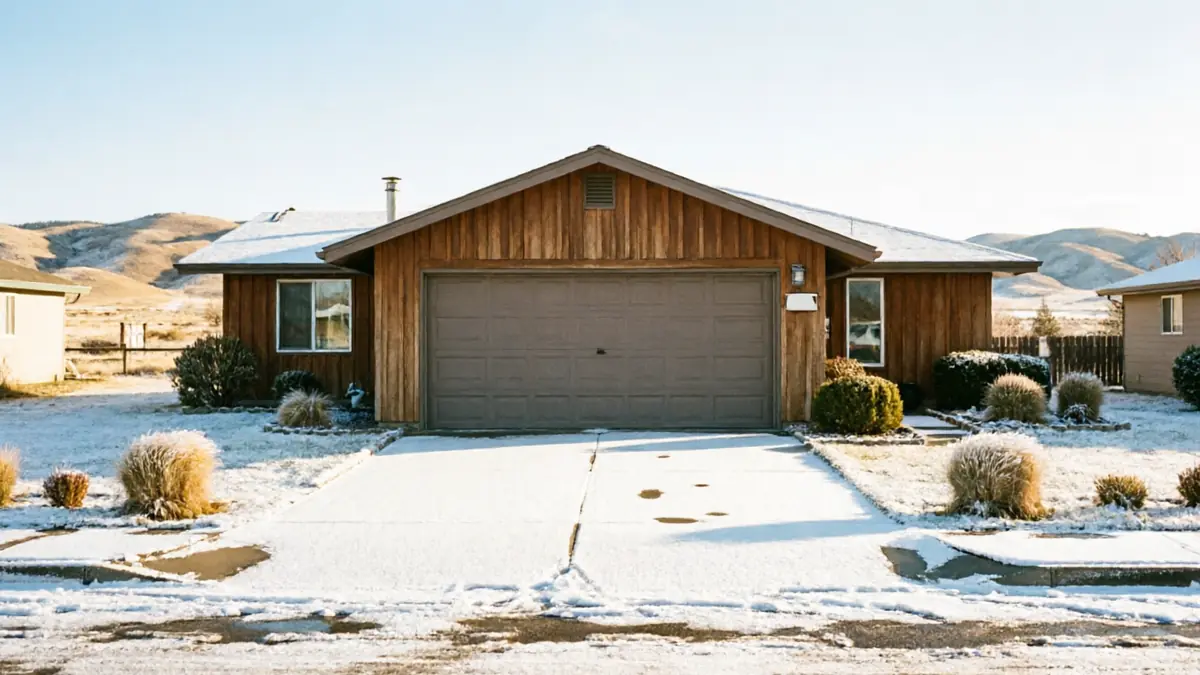 What's Actually Included in an Everett Garage Door Service Call
A straight look at what's included when Everett Garage Door Pros comes out for a repair, tied to this area's 1968-2000 housing stock and cold, wet winters.
What's Actually Included in an Everett Garage Door Service Call
A straight look at what's included when Everett Garage Door Pros comes out for a repair, tied to this area's 1968-2000 housing stock and cold, wet winters.
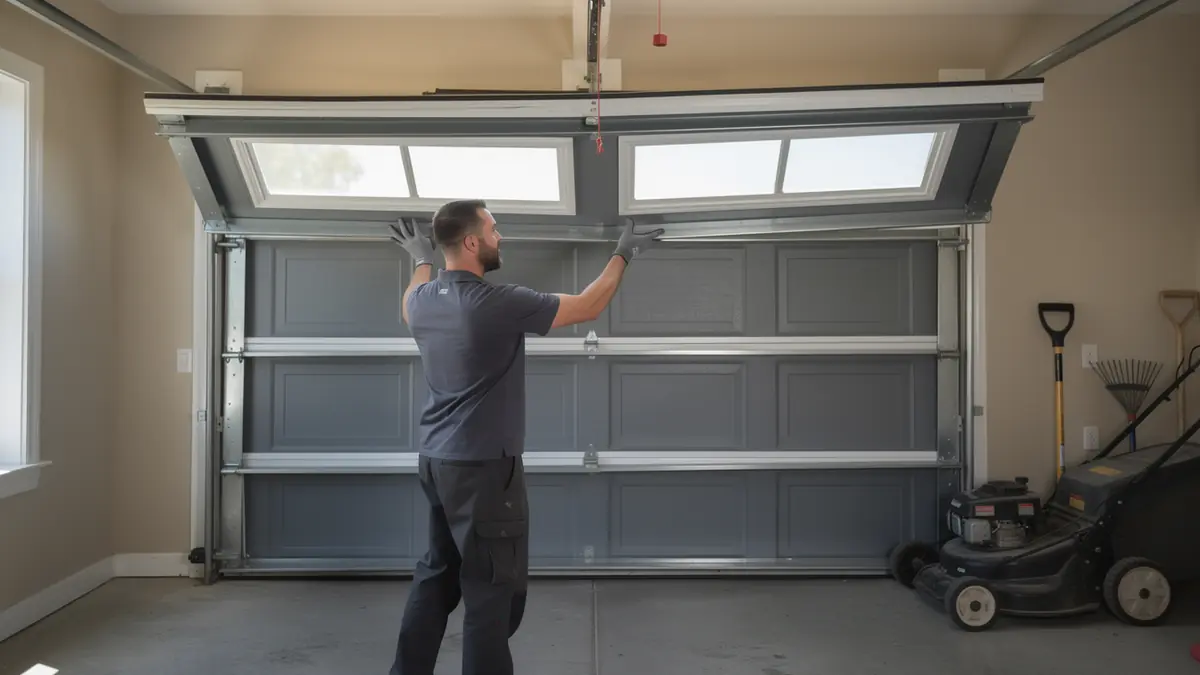 Why a Door Goes Off Track in an Everett Garage
Everett's 1968-2000 housing stock and cold, wet winters put specific stress on track alignment.
Why a Door Goes Off Track in an Everett Garage
Everett's 1968-2000 housing stock and cold, wet winters put specific stress on track alignment.
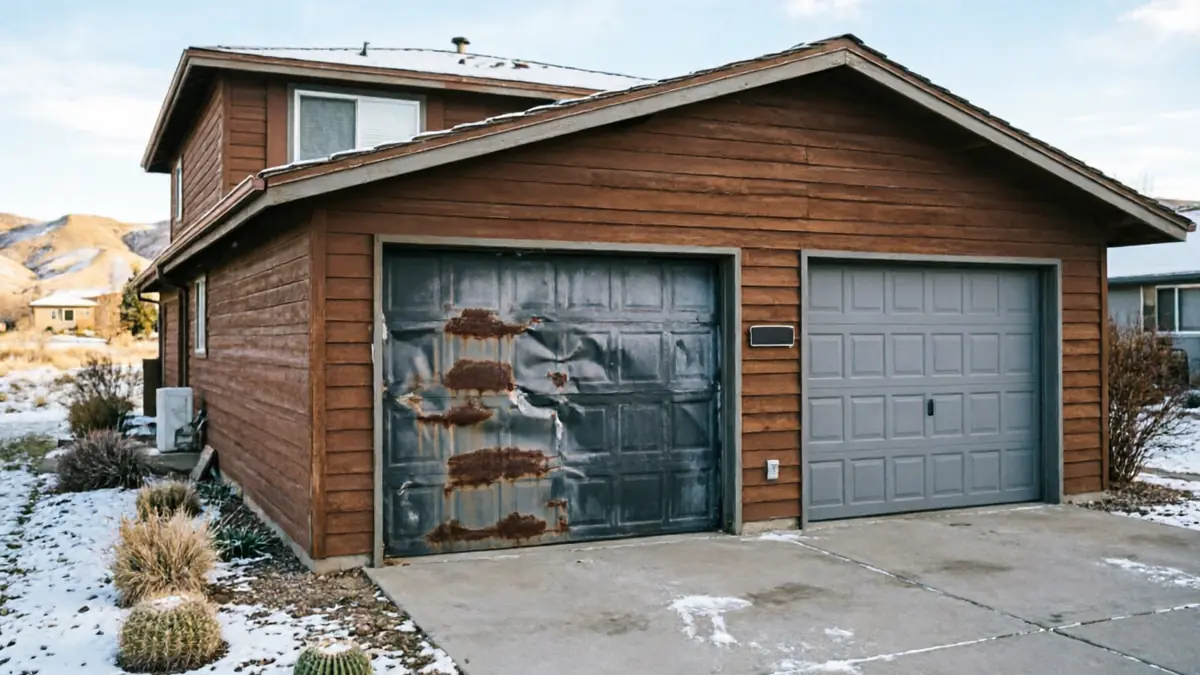 What to Know Before You Replace a Garage Door in Everett
A guide for Everett, WA homeowners on replacing a garage door, built around this area's 1968-2000 housing stock and cold, damp Pacific Northwest climate.
What to Know Before You Replace a Garage Door in Everett
A guide for Everett, WA homeowners on replacing a garage door, built around this area's 1968-2000 housing stock and cold, damp Pacific Northwest climate.
Ready when you are
Need a garage door sorted in Everett?
Everett Garage Door Pros repairs and installs garage doors, springs and openers in Everett, WA and the surrounding area.