
Blog
Why a Door Goes Off Track in an Everett Garage
Everett's 1968-2000 housing stock and cold, wet winters put specific stress on track alignment. Here's why doors here jump track and what actually causes it.
What the Weather Here Does to It
Everett sits in a cold, moderate climate band, which in practice means repeated cycles of damp cold and overnight temperature swings rather than hard freezes. That matters for tracks because steel contracts in the cold and the bolts holding your track brackets to the jamb loosen over repeated cycles, not all at once. A bracket that's a sixteenth of an inch off after one winter is barely noticeable. After several winters of that same contraction and expansion, the track can pull just far enough out of plumb that a roller starts riding the edge instead of the channel. Moisture is the other half of it. Condensation inside an unheated garage settles on the track rail, and if the garage sees road salt or runoff tracked in from a wet driveway, the rail corrodes unevenly. A pitted rail doesn't grip a roller the same way a smooth one does, and that unevenness is often what finally lets a roller jump track on a cold morning when everything's stiff. This isn't dramatic weather damage, it's slow wear from a specific kind of winter.
The Situation
Most of the housing across this service area, including the 36 named communities we cover, went up between 1968 and 2000, with the bulk of it dating to the 1980s and 90s. That generation of garage construction used a fairly standard track and bracket setup that was adequate for the doors of the era but was rarely built with adjustable reinforcement at the point where the track meets the back wall. Thirty-plus years on, those original brackets are often still in place, just loosened and never re-torqued. We see this constantly on 80s and 90s builds: the vertical track section nearest the opener is fine, but the horizontal run further back has sagged or splayed slightly because the hanging brackets weren't rated for the sag that happens after decades of thermal cycling. That sag is invisible from the floor. It shows up as a door that tracks fine on the way down and catches or jumps halfway up.
The Common Mistake
The common mistake is treating a jumped track as a track problem. Most of the time it isn't. On homes from this era, a door going off track is usually a symptom of a bent roller stem, a loose hanging bracket further up the track, or a spring that's lost enough tension that the door is fighting gravity unevenly on one side. Homeowners pry the roller back into the channel, the door runs fine for a week or two, and then it happens again because nobody addressed why the roller left the track in the first place. We won't tell you to replace the whole track assembly if the fix is tightening three lag bolts and swapping a bent roller stem. That's the honest limitation here: a lot of off-track calls are a 20-minute fix, not a new track system, and we'd rather tell you that than sell you more than the door needs.
Season by Season
Late fall into winter is when we see the most off-track calls in this area, as the cold-moderate swings tighten metal and stiffen lubricant on tracks that haven't been serviced in a year or more. Spring brings a second wave, usually tied to moisture that sat in the track over winter finally causing enough rust friction that a roller catches. Summer is the quiet season for this particular problem, which is also the best time to have brackets checked and re-torqued before the cycle starts again, especially in a garage built during the 1980s-90s run that makes up most of the stock here. If your door has jumped track more than once in a season, that repeat pattern on a home of this age usually points to a bracket or spring issue rather than bad luck.
Questions
Common questions
Why does my garage door only go off track in winter?
Cold cycling tightens the steel track and stiffens old lubricant, which is common in this climate band. On older brackets that have loosened over the years, that extra stress is often enough to pull a roller out of alignment. It's rarely the cold itself doing damage, it's the cold exposing wear that was already there.
Is a door that keeps jumping track dangerous?
Yes, especially on a door with an unevenly worn track or a weak spring, because the door can come down unevenly or drop suddenly. We don't recommend repeatedly forcing a roller back into the channel yourself once it's happened more than once; that's a sign something upstream needs attention.
My house was built in the 80s. Is that relevant to this problem?
It can be. A lot of the housing in this area dates to the 1980s and 90s, and the original hanging brackets from that period are often still in place, just loosened by decades of thermal cycling. That's a common reason doors from this era go off track more than newer builds.
Recommendation
You Might Also Like
More garage door guides for Everett homeowners.
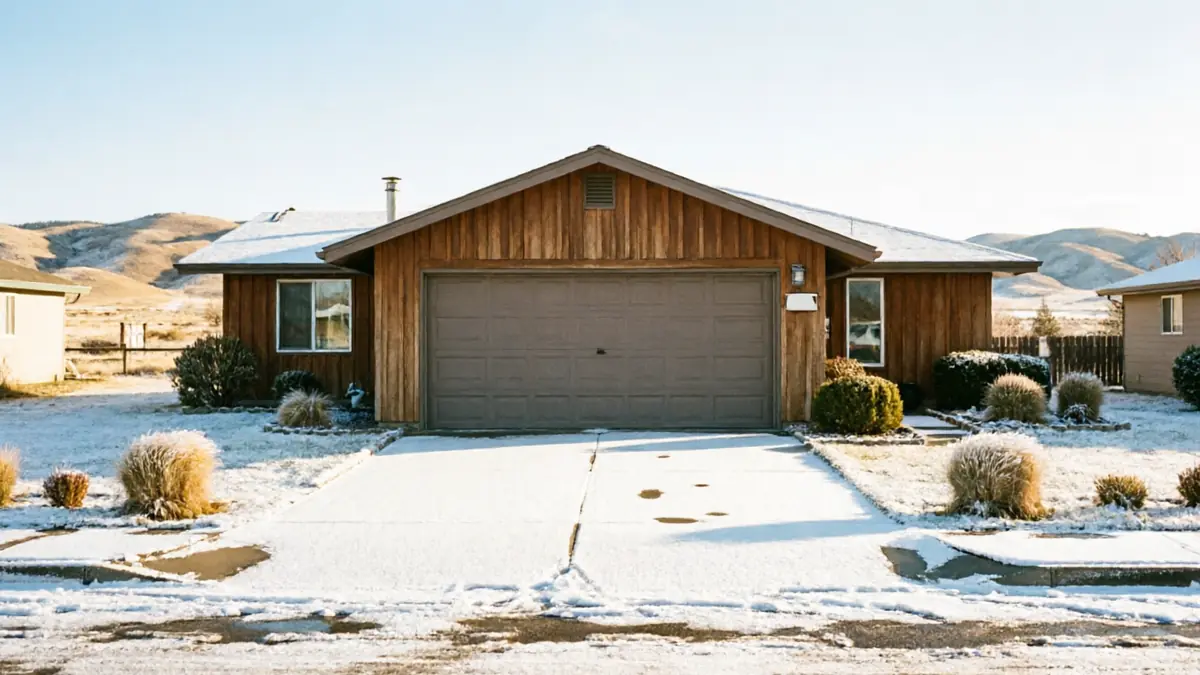 What's Actually Included in an Everett Garage Door Service Call
A straight look at what's included when Everett Garage Door Pros comes out for a repair, tied to this area's 1968-2000 housing stock and cold, wet winters.
What's Actually Included in an Everett Garage Door Service Call
A straight look at what's included when Everett Garage Door Pros comes out for a repair, tied to this area's 1968-2000 housing stock and cold, wet winters.
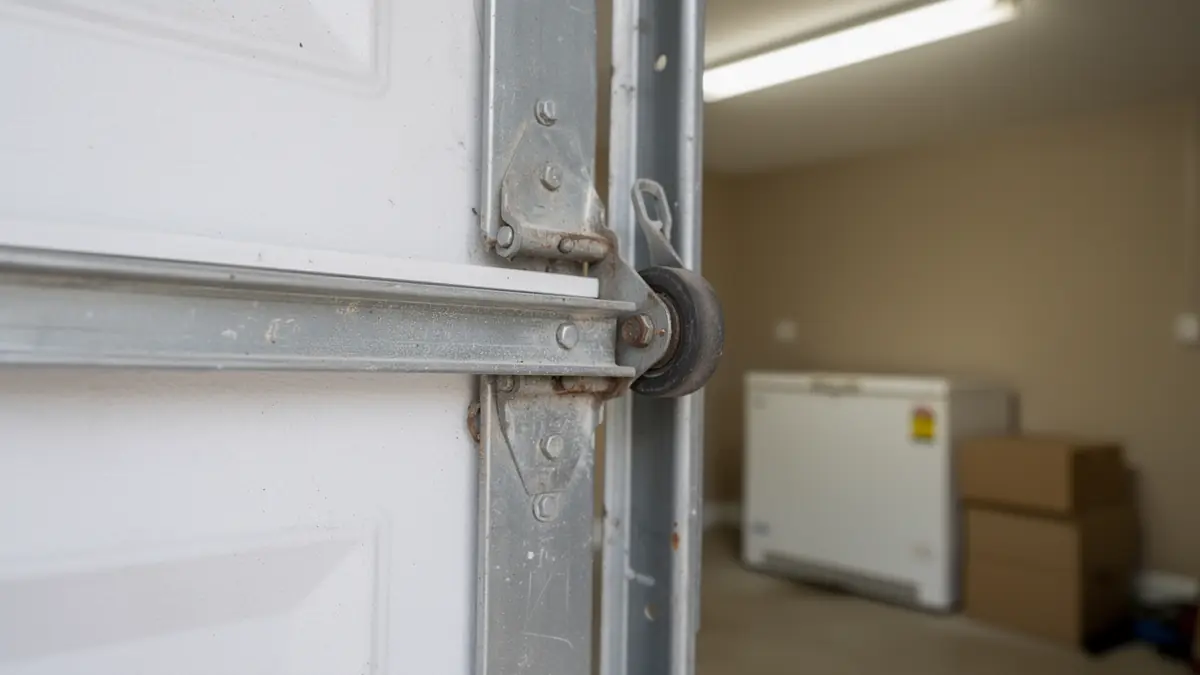 Why Cold Snaps Break Springs on Everett Garage Doors
Everett's 1968-2000 housing stock and cold winters put extra strain on torsion springs.
Why Cold Snaps Break Springs on Everett Garage Doors
Everett's 1968-2000 housing stock and cold winters put extra strain on torsion springs.
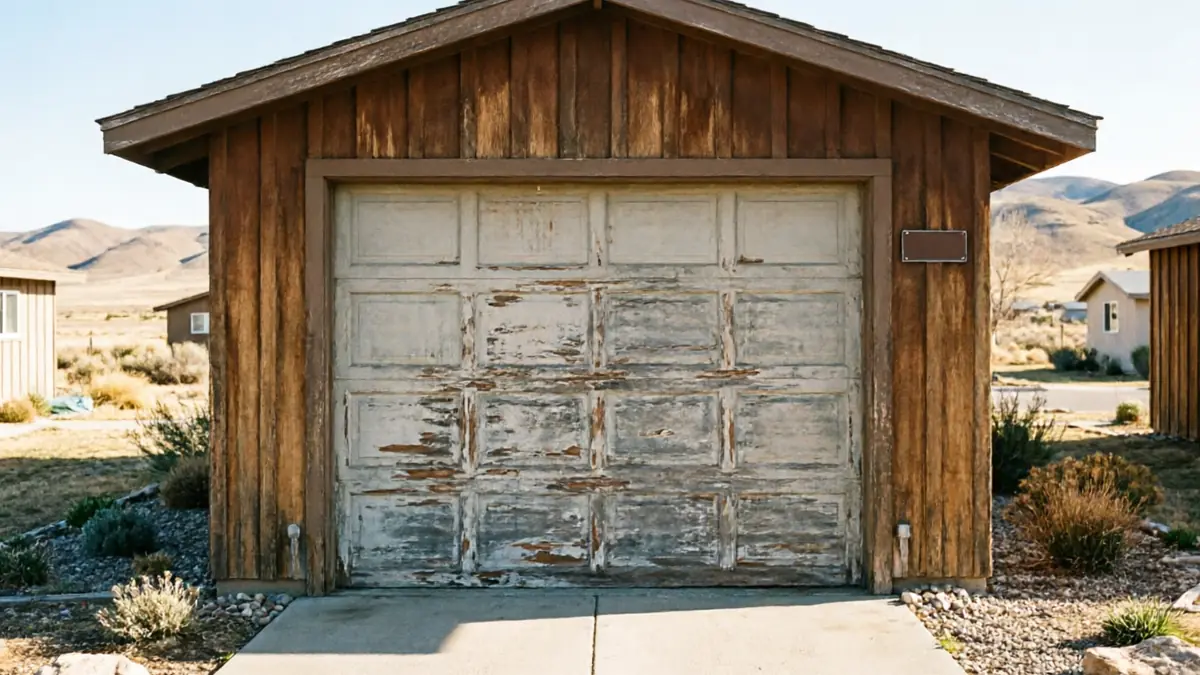 What We Check First When We Pull Up to Your Door
A look at what we actually check first on an Everett garage door call, tied to this area's 1968-2000 housing stock, cold winters, and nearby neighborhoods.
What We Check First When We Pull Up to Your Door
A look at what we actually check first on an Everett garage door call, tied to this area's 1968-2000 housing stock, cold winters, and nearby neighborhoods.
Ready when you are
Need a garage door sorted in Everett?
Everett Garage Door Pros repairs and installs garage doors, springs and openers in Everett, WA and the surrounding area.