
Blog
Openers and Power Cuts in Everett Homes
How Everett's cold-moderate climate and 1968-2000 housing stock affect garage door openers during power cuts, plus what to check before winter.
What the Weather Here Does to It
Everett sits in a cold-moderate band, which means the opener in your garage spends a good chunk of the year below the temperature range most circuit boards and lubricants are rated for comfortably. Cold doesn't kill an opener outright, but it slows the gear train, stiffens the chain or belt, and drains any battery backup faster than the spec sheet promises. If your house was built between 1968 and 2000 - which covers most of this area - there's a decent chance the opener itself has been swapped once already, but the wiring and the wall switch are often original. Old wiring in a cold garage is where you start losing power to the unit intermittently, not because the opener failed, but because a connection loosened years ago and the cold makes the metal contract just enough to open the circuit. That's a five-minute fix if you know to look for it, and a mystery if you don't.
The Situation
Across the service area, homes built in the 1980s and 90s make up most of the housing stock, and that generation of garage came standard with a single opener, no battery backup, and a wall switch with no interior light. When the power goes out - a breaker trips, a storm knocks the block dark, whatever the cause - those openers go completely dead, and a lot of homeowners don't know there's a manual release cord until the night they actually need it. We get calls every winter from people who assumed the opener was broken when the real issue was the outlet it plugs into, or a GFCI that tripped on a damp garage wall. With 81,308 owner-occupied houses in this area, that's a lot of garages built to the same basic spec, which means the same handful of failure points show up again and again.
The Common Mistake
The mistake we see most is people trying to force the door up by hand without pulling the release cord first. On a door that's still engaged to the opener's trolley, that puts stress on the opener's gear and the track mount, not just the spring, and it's an easy way to turn a power outage into an actual repair bill. The second mistake is assuming a battery backup unit is standard equipment - it isn't, not in a house built in the era most of this area was, and not unless someone's had it added since. If you've never checked whether your opener has one, it probably doesn't. Knowing where the release cord is and what it does, before the power ever goes out, costs you nothing and saves you from either mistake.
Season by Season
Fall is when we tell people to actually test the manual release, since that's also when outages start picking up and garages get damp enough for GFCI outlets to trip on their own. Winter is the stretch where cold-stiffened springs and chains make the opener work harder than it's rated for, which is also when a weak battery backup shows its age fastest. Spring is a reasonable time to have the opener's force settings checked, since a winter of strain can throw them off without any obvious symptom until the door reverses on something it shouldn't. Summer is the easy season here - it's when we'd actually recommend adding a battery backup if you don't have one, rather than waiting until the next outage to wish you had.
Questions
Common questions
Why does my garage door opener stop working during a power outage?
Most openers built for homes in this area, especially anything from the 1980s or 90s, don't include a battery backup as standard. Without one, the opener has no power source once the outlet dies, and the door has to be moved by hand using the manual release cord hanging from the trolley.
Does cold weather really affect the opener itself, or just the door?
Both. Cold stiffens the chain or belt and thickens old grease on the rail, making the opener's motor work harder to do the same job. It also shortens how long a battery backup holds a charge, which matters more in a cold-moderate climate like this one than homeowners usually expect.
Should I add a battery backup to my existing opener?
If your house dates to the common 1968-2000 range for this area, it's worth checking whether yours has one, since a lot of original installs didn't. We can't promise a specific cost without seeing the unit, but it's a reasonable addition ahead of winter rather than after an outage.
Recommendation
You Might Also Like
More garage door guides for Everett homeowners.
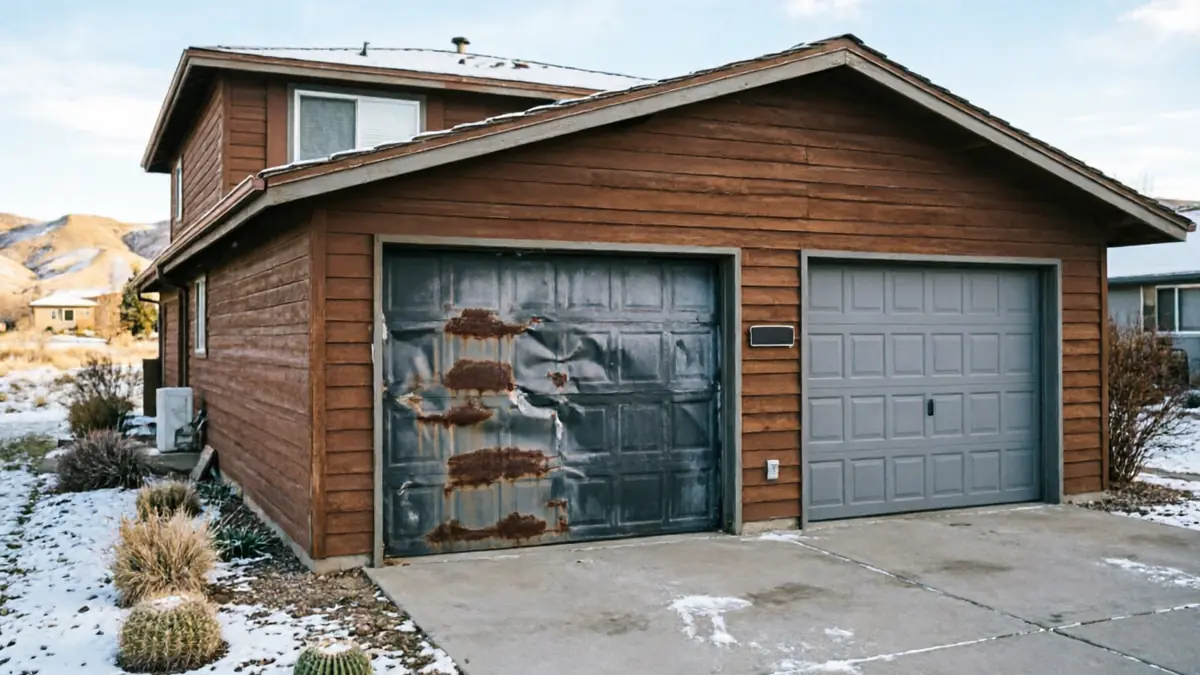 What to Know Before You Replace a Garage Door in Everett
A guide for Everett, WA homeowners on replacing a garage door, built around this area's 1968-2000 housing stock and cold, damp Pacific Northwest climate.
What to Know Before You Replace a Garage Door in Everett
A guide for Everett, WA homeowners on replacing a garage door, built around this area's 1968-2000 housing stock and cold, damp Pacific Northwest climate.
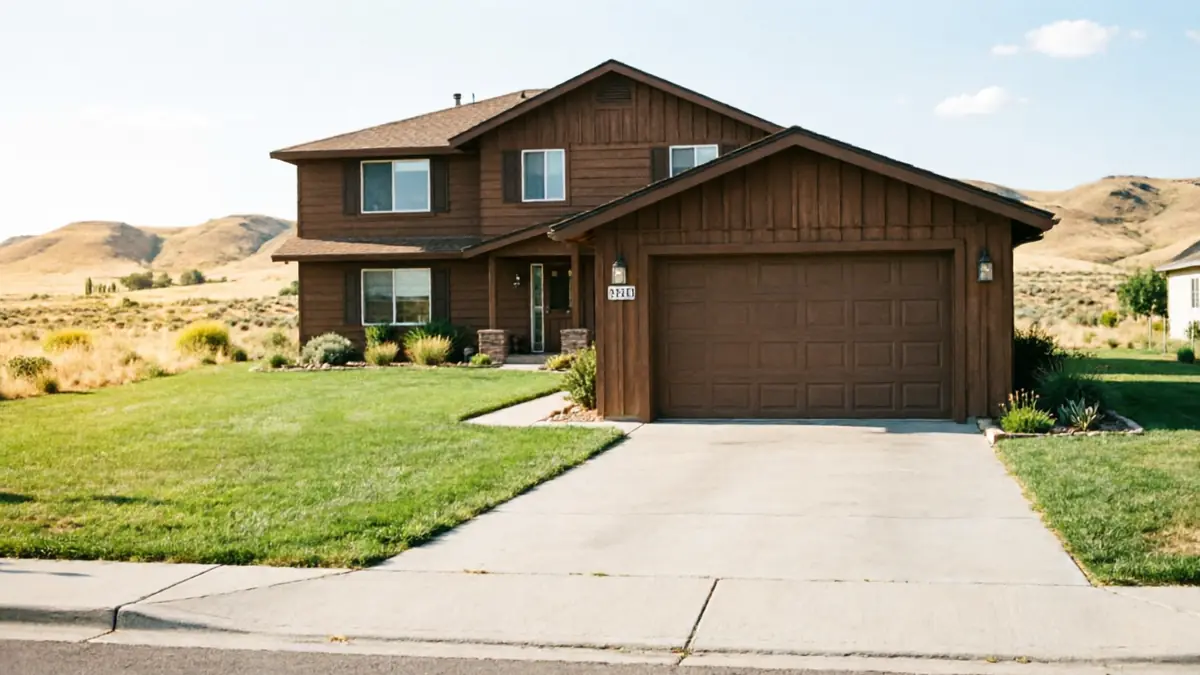 What an Older Door Is Worth Fixing in Everett
Everett homes mostly date to the 1968-2000 building boom.
What an Older Door Is Worth Fixing in Everett
Everett homes mostly date to the 1968-2000 building boom.
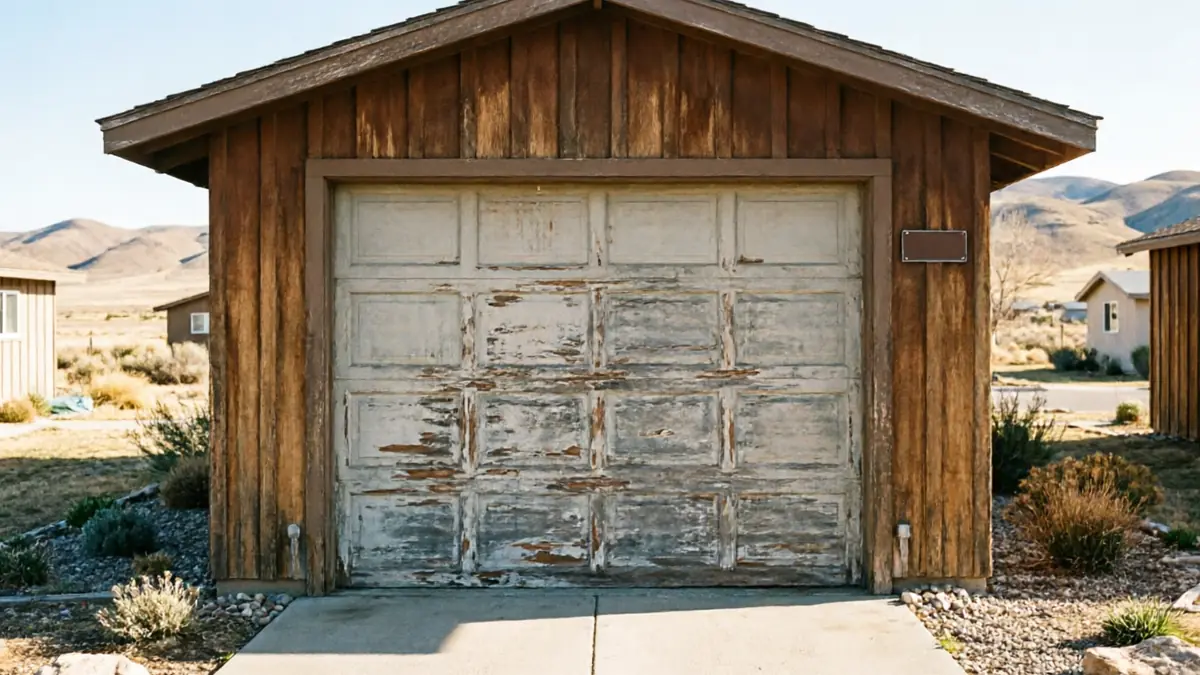 What We Check First When We Pull Up to Your Door
A look at what we actually check first on an Everett garage door call, tied to this area's 1968-2000 housing stock, cold winters, and nearby neighborhoods.
What We Check First When We Pull Up to Your Door
A look at what we actually check first on an Everett garage door call, tied to this area's 1968-2000 housing stock, cold winters, and nearby neighborhoods.
Ready when you are
Need a garage door sorted in Everett?
Everett Garage Door Pros repairs and installs garage doors, springs and openers in Everett, WA and the surrounding area.