
Blog
What an Older Door Is Worth Fixing in Everett
Everett homes mostly date to the 1968-2000 building boom. Here's how that housing stock and our cold climate decide whether your door is worth repairing or replacing.
What the Weather Here Does to It
Everett sits in a cold-moderate climate band, and that matters more to a garage door than people think. It isn't ice storms that kill these doors, it's the steady cycle of cold, damp mornings followed by warmer afternoons, repeated for decades. A torsion spring loses a little temper with every one of those swings. On a door installed when the house was built, somewhere around 1990 for the median Everett home, that spring has been through thirty-plus winters of expansion and contraction before you ever notice it sagging on one side.
Tracks and rollers take a different hit. Moisture works into the roller bearings and the galvanized coating on the track rail, and once pitting starts, the door starts binding instead of rolling. You'll hear it before you see it - a grinding instead of a smooth roll near the top of the travel.
None of this means every older door is doomed. A door that's been kept lubricated and balanced can outlast its rated life by a long stretch. But if nobody's touched the hardware since the house was built, the climate here has been working on it the whole time, whether anyone noticed or not.
The Situation
Most of the housing stock across this service area - the 36 named communities from Port Gardner and Bayside out to Granite Falls and Silvana - went up between 1968 and 2000, with the heaviest concentration in the 1980s and 90s. That means a huge share of the garage doors we look at share the same bones: steel sectional panels, extension or early torsion springs, and track hardware sized to builder-grade openers from that era.
The practical effect is that age alone doesn't tell you much. A door from a 1985 build in Northwest Everett and one from a 1995 build near View Ridge Madison can be in wildly different shape depending on whether the spring was ever replaced, whether the opener was upgraded, and whether the bottom seal has been doing its job keeping moisture off the bottom panel.
What does tell you something is the pattern of wear. Rust starting at the bottom two panels, a spring that's visibly stretched or gapped, cables fraying at the drum - those are decision points, not cosmetic issues. On a door this old, one of those failing usually means the others aren't far behind, because they've all logged the same years in the same weather.
The Common Mistake
The mistake we see most is replacing a single failed part - usually a spring or a cable - on a door that's otherwise near the end of its run, and then paying for a second service call six months later when the next original part gives out. On a door built when the house was built, somewhere in the 1968-2000 window, the spring, cables, rollers, and hinges are all the same age. If one failed from fatigue, the others are close behind it, not because the brand was bad but because they've carried the same thousands of open-close cycles through the same cold-moderate winters.
The honest math: if a door is old enough that the track is pitted and the panels are rusting at the bottom, spending real money on just the spring often means spending it again soon. We'll tell you when that's the case rather than quoting a spring job and leaving it there.
The flip side mistake is replacing a door that only needs a spring and a tune-up. A sound steel door from this era, kept dry and balanced, still has years left in it. Age by itself isn't a reason to replace anything - matching wear across the whole system is.
Season by Season
Fall is when slack cables and worn rollers tend to announce themselves, because the first cold snap after a dry summer tightens everything up at once and a door that was barely getting by starts binding or dropping unevenly. That's the point where a $40 roller swap beats waiting for a cable to let go in January.
Winter is spring-failure season here. Cold steel is less forgiving, and a torsion spring that's already fatigued from three decades of cycling is most likely to snap on the coldest mornings, usually when you're in a hurry and the door won't budge.
Spring brings moisture problems to the surface - swollen bottom panels, a bottom seal that's stopped sealing, track rust that was hidden under grime all winter. This is the best time to check the bottom third of the door, since that's where water damage concentrates on older sectional doors.
Summer is the slow season for failures but the right time for the inspection nobody does: balance test, lubrication, hardware check. On a door built in the 1980s or 90s, catching wear in summer is what keeps it out of the winter breakdown pile.
Questions
Common questions
My garage door is from when the house was built in the 1980s. Is it too old to fix?
Not automatically. Age by itself doesn't condemn a door - matching wear does. If the spring, cables, and rollers are all original and one has failed, the others are usually close behind, which changes the math. But a door that's had a spring replaced along the way and stayed dry can still be worth repairing.
Why did my spring snap in the middle of winter with no warning?
Torsion springs fatigue from repeated cycling, and cold steel is more brittle than warm steel. A spring that's been flexing through Everett's cold-moderate winters for twenty-plus years is at the point in its life cycle where a cold morning is often the final stress that breaks it.
Should I replace the whole door or just the broken part?
Depends on what else shows wear. If the track is pitted, the bottom panels are rusting, and the spring just failed, replacing just the spring often means paying for another repair soon. If the rest of the door is sound, fixing the one failed part is the right call.
Is there anything you don't repair on an older door?
If the panels have rusted through at the bottom or the track is bent beyond realignment, we won't patch it and call it fixed - that's a replacement conversation, not a repair one. We'd rather tell you that up front than sell a repair that won't hold.
Recommendation
You Might Also Like
More garage door guides for Everett homeowners.
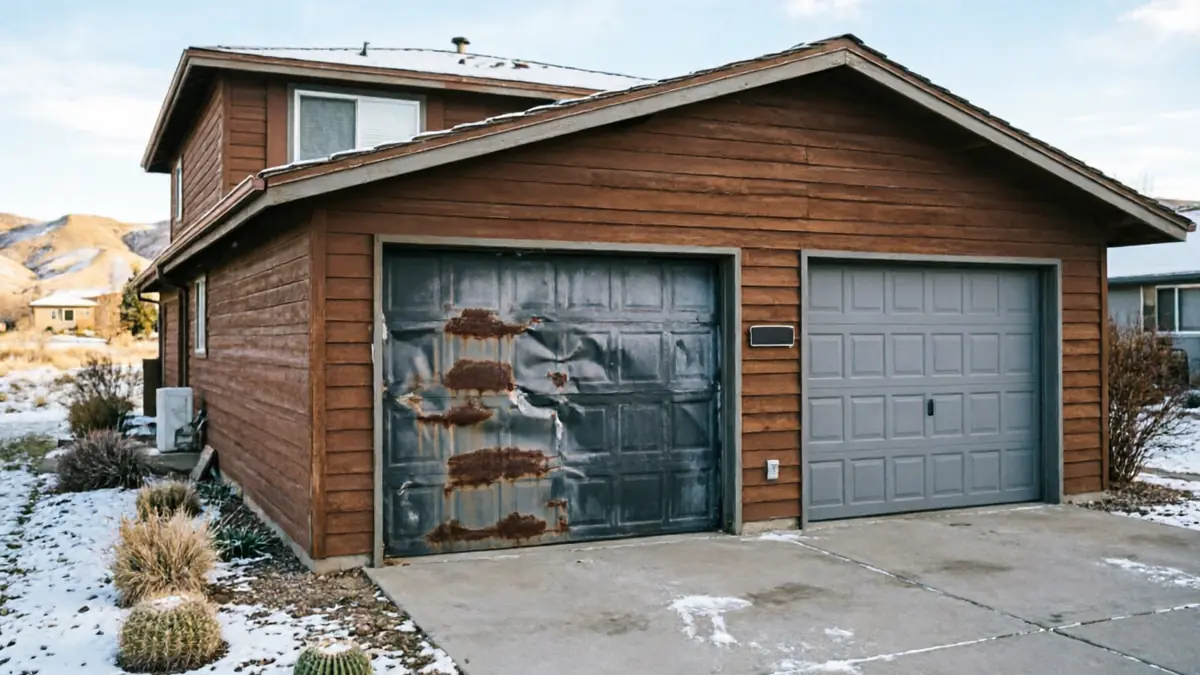 What to Know Before You Replace a Garage Door in Everett
A guide for Everett, WA homeowners on replacing a garage door, built around this area's 1968-2000 housing stock and cold, damp Pacific Northwest climate.
What to Know Before You Replace a Garage Door in Everett
A guide for Everett, WA homeowners on replacing a garage door, built around this area's 1968-2000 housing stock and cold, damp Pacific Northwest climate.
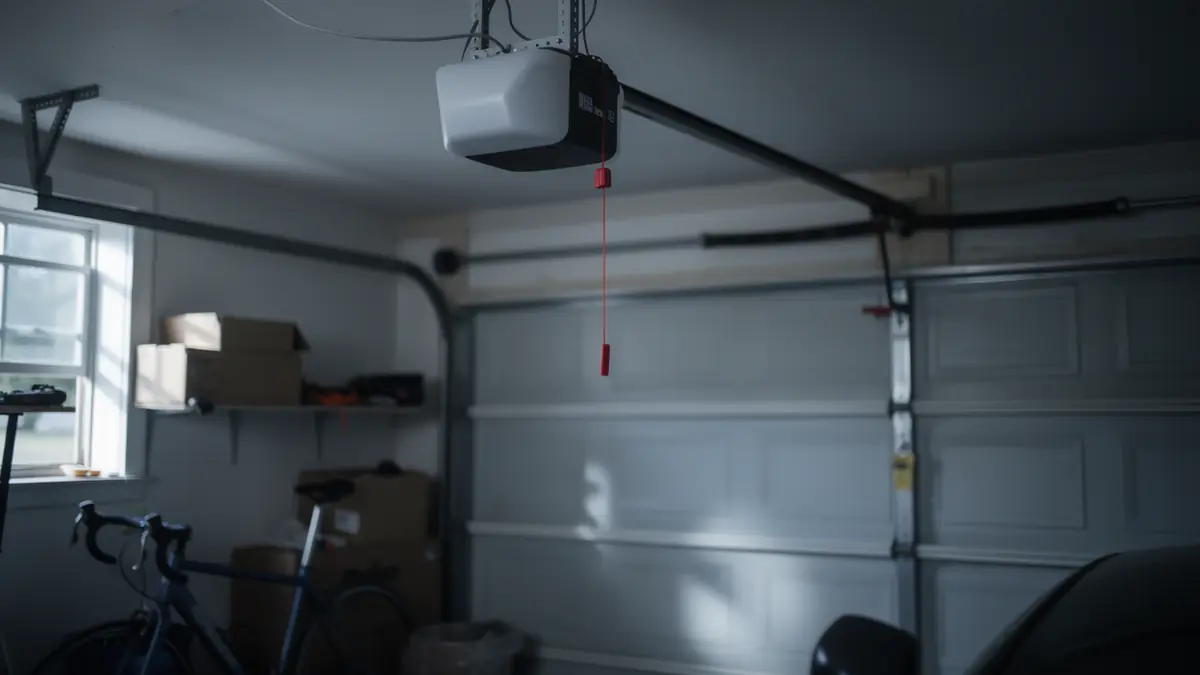 Openers and Power Cuts in Everett Homes
How Everett's cold-moderate climate and 1968-2000 housing stock affect garage door openers during power cuts, plus what to check before winter.
Openers and Power Cuts in Everett Homes
How Everett's cold-moderate climate and 1968-2000 housing stock affect garage door openers during power cuts, plus what to check before winter.
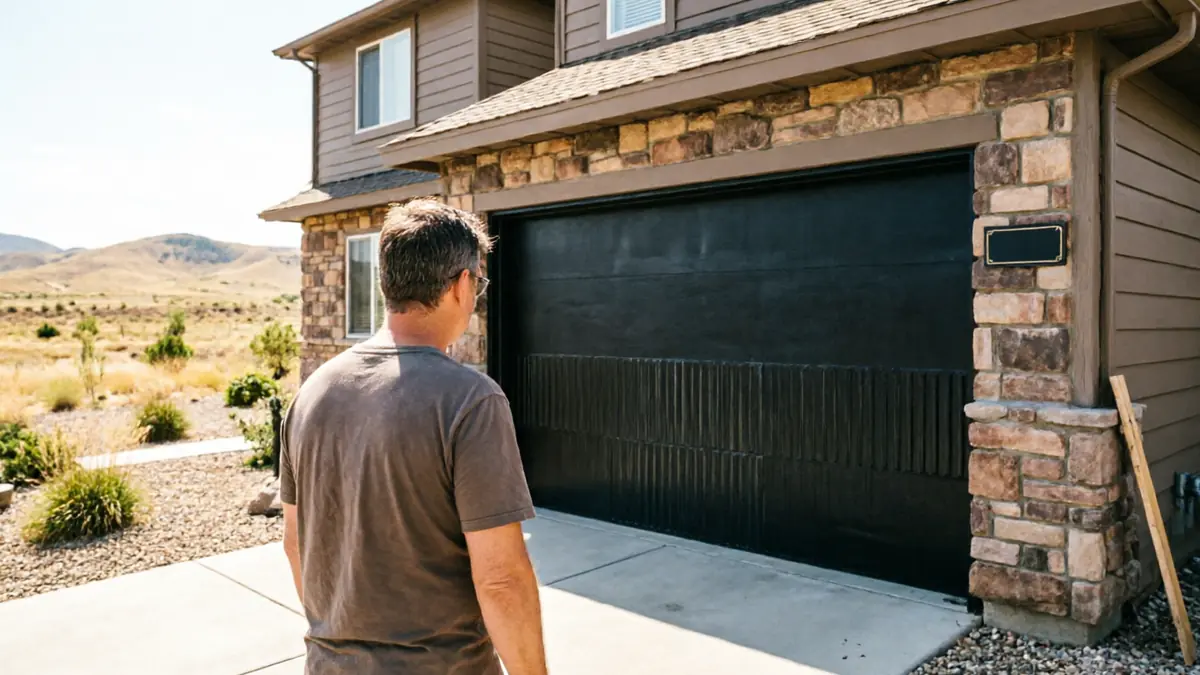 What Everett's Climate Does to Your Garage Door Seals
Everett homes built mostly between 1968 and 2000 lose heat fast through worn garage door seals.
What Everett's Climate Does to Your Garage Door Seals
Everett homes built mostly between 1968 and 2000 lose heat fast through worn garage door seals.
Ready when you are
Need a garage door sorted in Everett?
Everett Garage Door Pros repairs and installs garage doors, springs and openers in Everett, WA and the surrounding area.