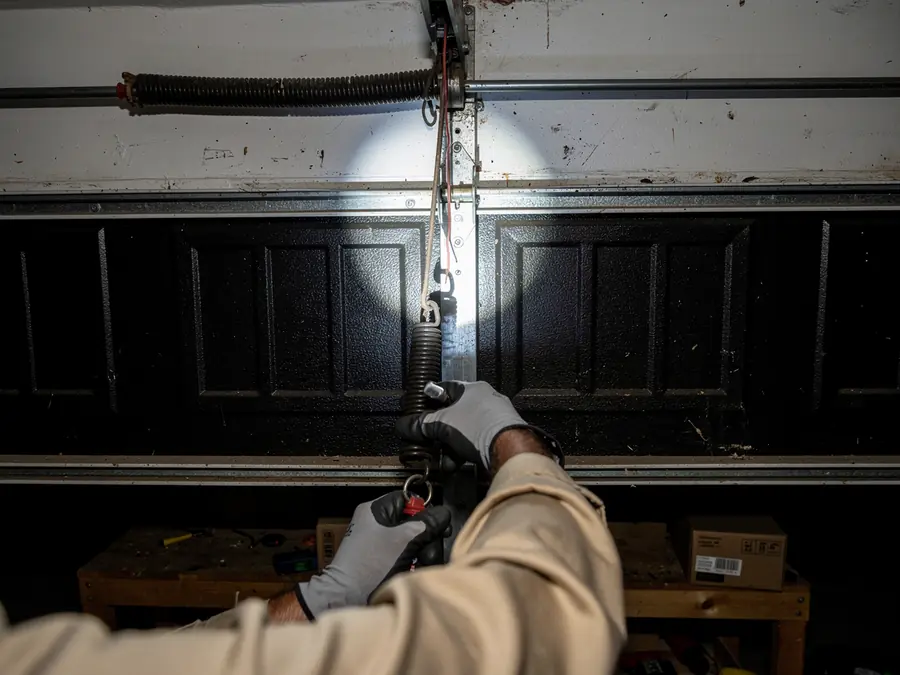
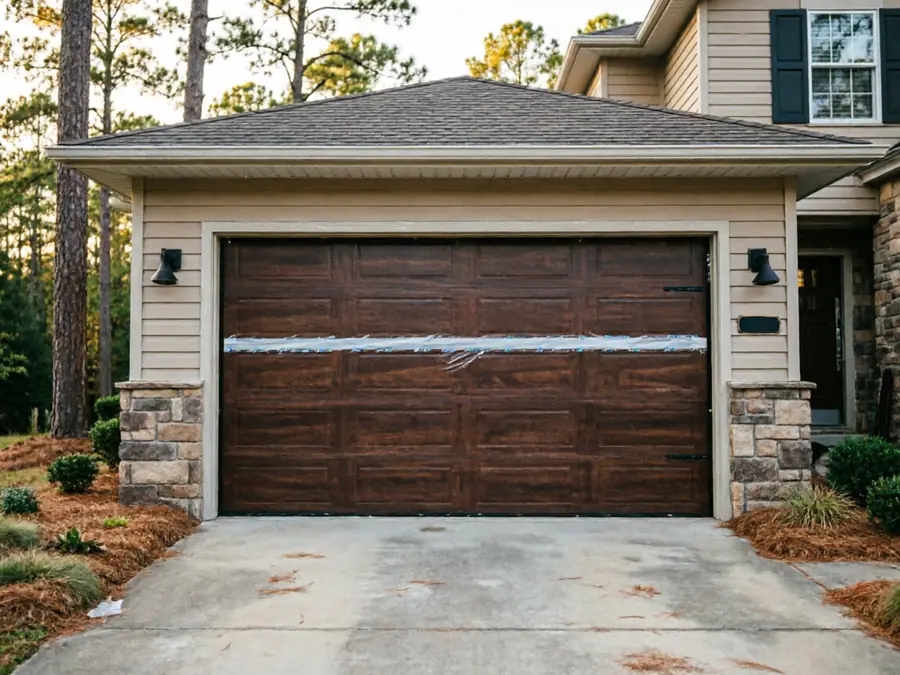
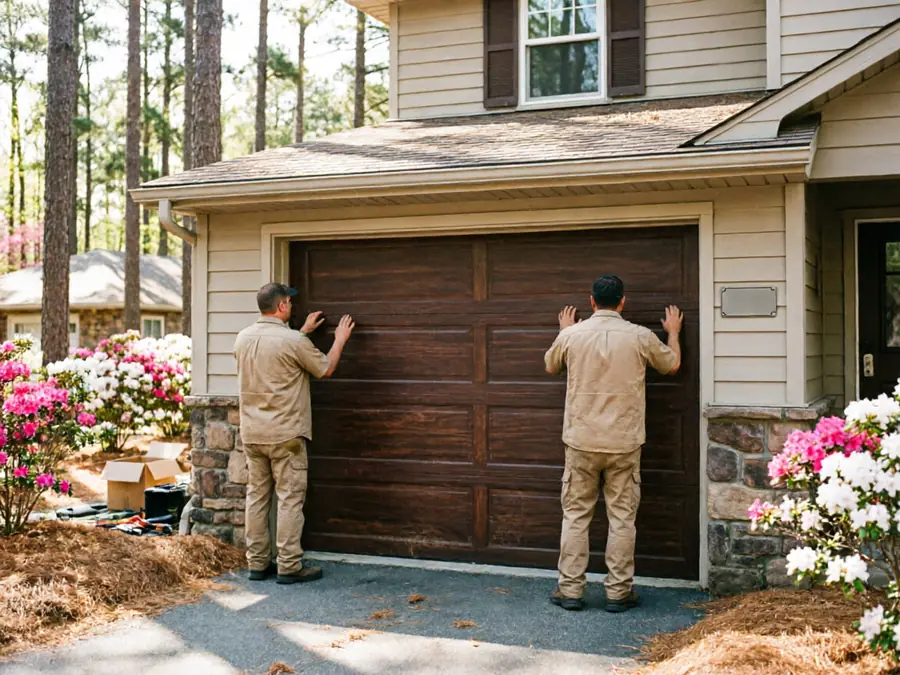
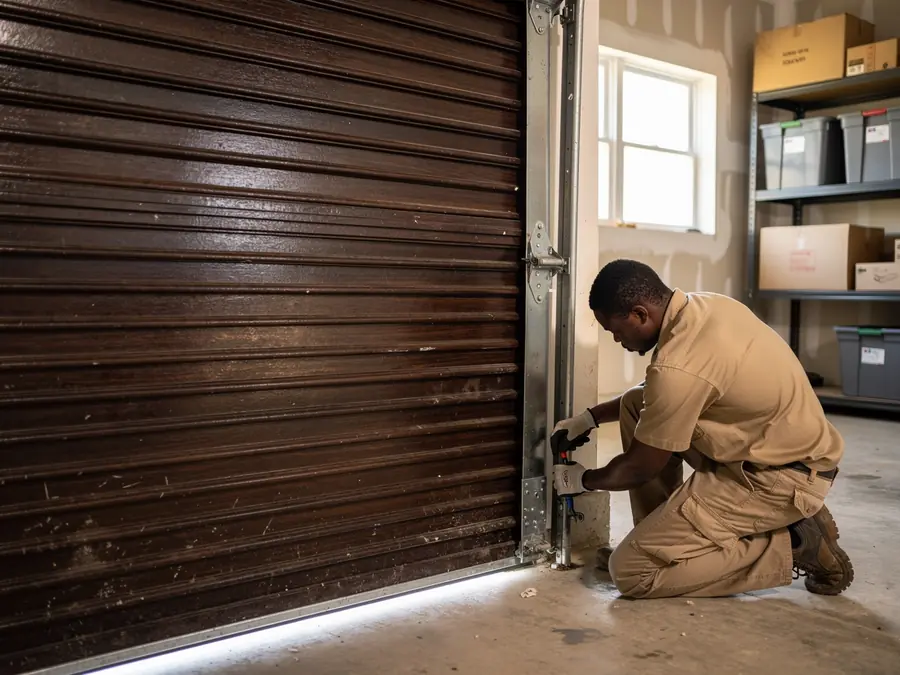
This area sits in a cold-moderate climate band, which means garage doors here deal with repeated cycles of damp cold mornings and milder afternoons rather than one hard freeze that locks everything down. That cycling is harder on steel springs and lubricant than a steady cold climate is - the metal expands and contracts, moisture gets into the coil, and grease that would hold up in a drier region gums or washes out faster.
Pair that with the housing stock: most homes across the 36 communities in this service area were built in the 1980s and 90s, which means a lot of original torsion springs and track hardware are now 30-plus years old, well past the cycle life most springs are rated for. Add the moisture this area sees and you get springs that fatigue quietly instead of announcing themselves, then let go without warning on an otherwise ordinary day. Houses built after 2000 in newer pockets of the service area tend to hold up a bit longer simply because the hardware is younger, but the climate exposure is the same for everyone on this side of the state regardless of build year.