
Cable coating wear
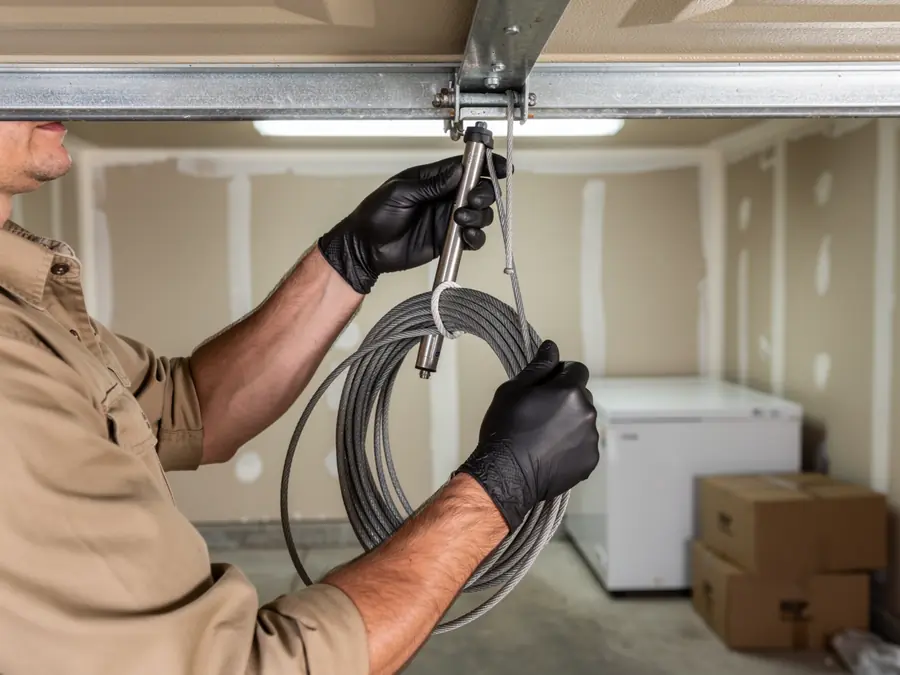
By now, a lot of that original cable has outlived its coating - the zinc wears thin, strands start to fray near the drum where the cable flexes hardest, and eventually one gives out under tension.
Snohomish, Everett
Cable repair for Snohomish's 1970s-era garage doors, 5 miles from our Everett shop. Same cold-climate cable wear, different hardware than newer suburbs.
Booking
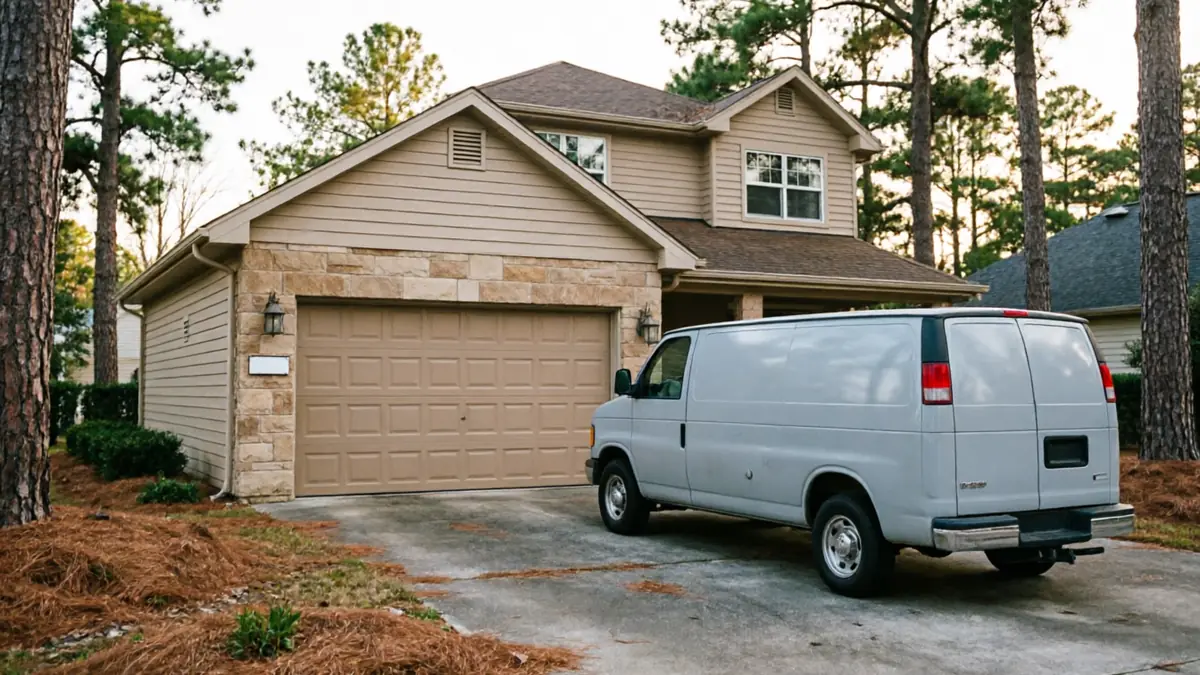
Snohomish sits about 5 miles from our shop in Everett, which is a short enough run that a cable call here doesn't turn into a half-day trip.
That matters for cable jobs specifically, because a snapped cable usually means the door is stuck wherever it was when it let go - all the way open, or jammed halfway, with the opener still trying to pull against dead weight.
The drive over is quick enough that we're not asking you to live with a door that won't close, or one that's hanging open on a single remaining cable, for longer than you have to. We're not based in Snohomish, so we don't have a local branch to dispatch from, and we won't pretend otherwise.
What we can tell you is that the distance isn't the bottleneck on most of these calls - the cable itself is a quick diagnosis once we're looking at the drum and the track. Call ahead so we can bring the right cable length and drum size for your door instead of guessing on the truck.
Pricing
We don't have a published price list specific to Snohomish to quote here, and we're not going to invent a number. What we can say is that cable repair pricing depends on whether one cable broke or both, whether the drums or pulleys took damage when the cable let go, and whether the door is a standard single or a heavier double panel - all things we confirm on site, not over the phone. If you want a firm number before we're looking at the door, ask us directly rather than relying on a figure that isn't grounded in your actual setup.
The repair
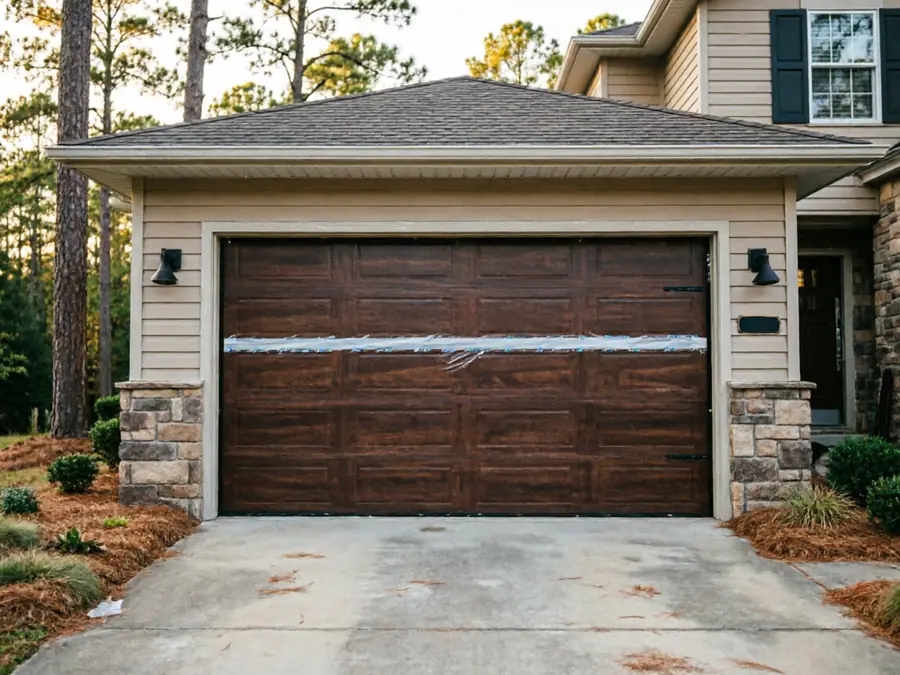
Most Snohomish houses we'd be called to were built around 1975, which puts the door and the opener gear in a specific generation: older galvanized cable on steel drums, often paired with a torsion spring setup that's been re-tensioned at least once over the decades.
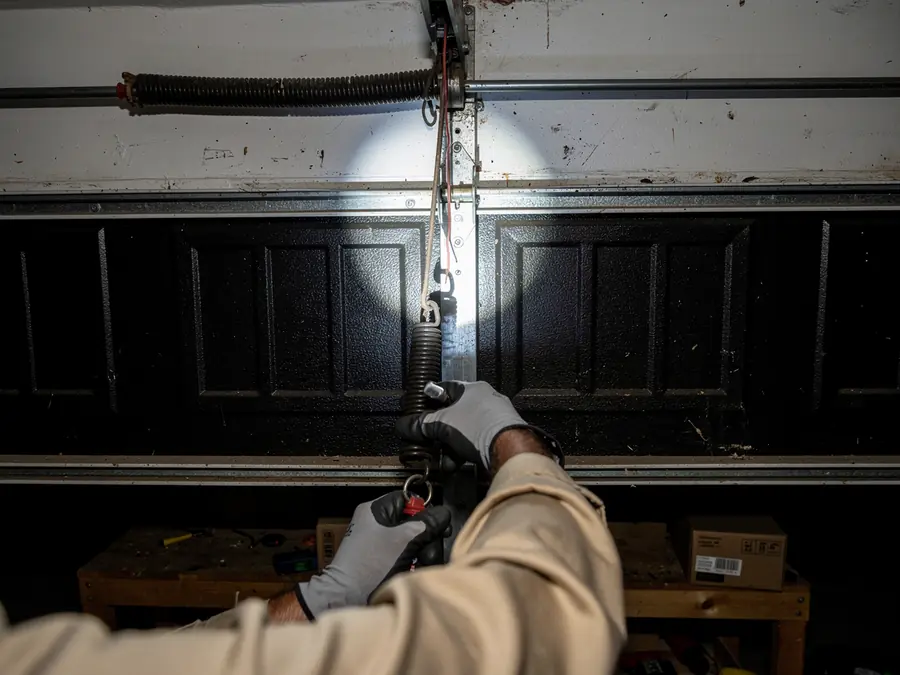
By now, a lot of that original cable has outlived its coating - the zinc wears thin, strands start to fray near the drum where the cable flexes hardest, and eventually one gives out under tension.
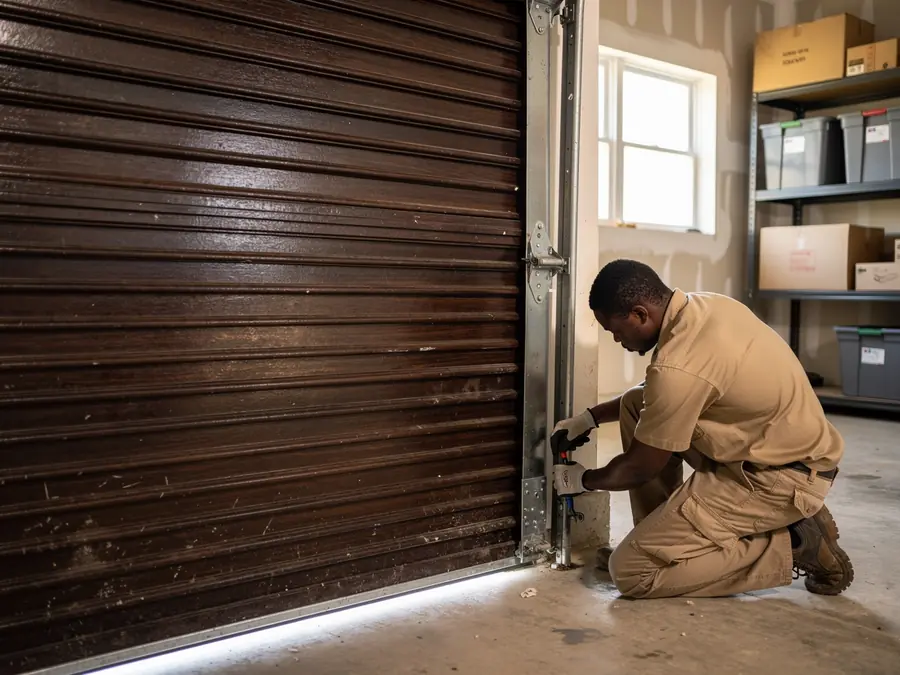
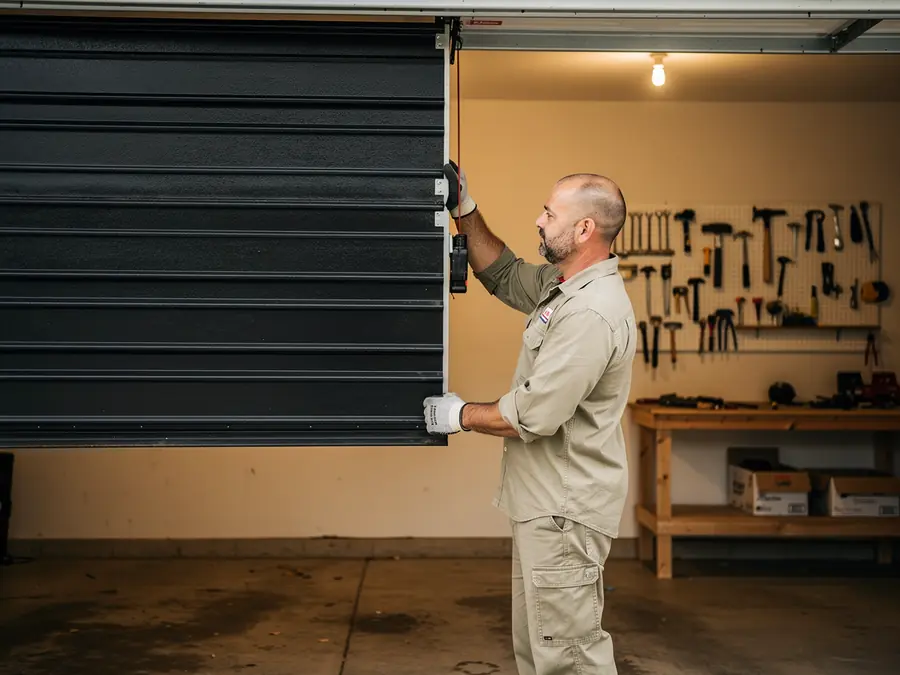
The repair itself is straightforward once we're on site: release tension from the spring safely, pull the old cable, measure and route the new one to match the drum, and re-tension.
If the drum itself is grooved or the pulley bracket is bent from the sudden slack, that gets replaced too - reusing a damaged drum just sets up the next cable to fail the same way. On a standard door this is usually a same-visit fix, not a parts-order job, unless the hardware is unusual enough that we need to source a specific size.
Local causes
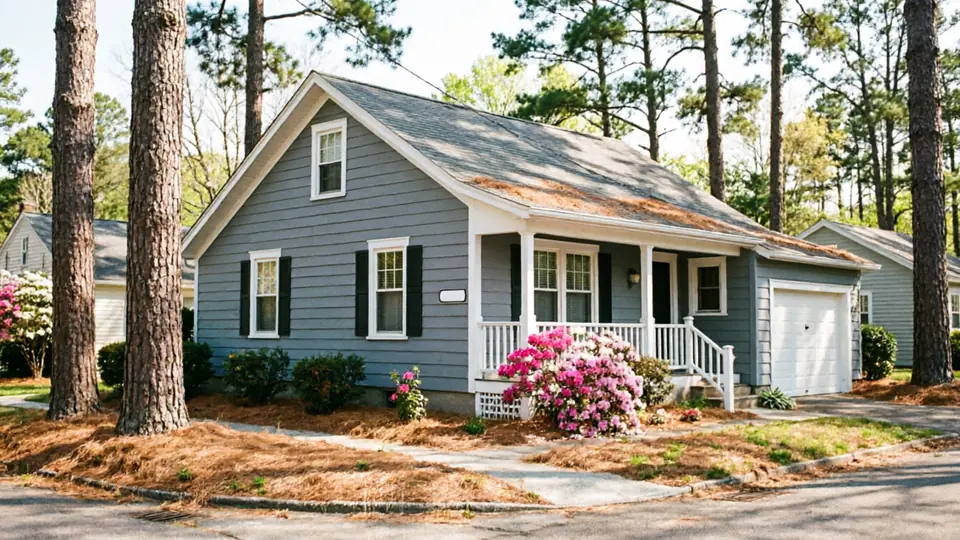
The cold-moderate winters this area gets put real stress on cable over a house built in the mid-1970s. Steel cable contracts in cold, and on a door that's opened and closed daily through decades of winters, that repeated flex near the drum is exactly where fraying starts. Combine that with original hardware that was never upgraded - galvanized cable instead of the aircraft-cable standard used on newer installs - and you get a failure point that's baked into the age of the housing stock here, not something tied to how the door is used.
We see this pattern across houses of this era generally: the spring still has life in it, the opener still runs fine, but the cable is the weak link because it's original equipment on a door that's been working for about fifty years.
DIY or pro
A broken cable means the spring is still under tension, and that tension is what makes this one of the jobs we tell homeowners not to touch themselves. Unlike swapping a roller or lubricating a track, releasing a wound torsion spring to replace a cable has put people in the ER - it's not a knife-edge risk, it's a known one. If the door is stuck open or closed, don't force the opener and don't try to wind the spring down yourself.
What you can safely do before we arrive: disconnect the opener from the door (pull the manual release cord) so it isn't fighting the broken cable, and keep the area under the door clear. That's the limit of what's safe without the right winding bars and clamps.
Questions
We don't publish a guaranteed response time for this area, since it depends on the day's schedule. Snohomish is about 5 miles from our Everett shop, which keeps the drive itself short - call us and we'll tell you the earliest slot we have rather than promise a window we can't back up.
On houses built around 1975, the original galvanized cable has usually been flexing over the same drum groove for decades. Cold winters make steel cable more brittle, and the fraying tends to start right where the cable bends hardest near the drum - age and flex cycles matter more than how often you open the door.
Not safely. The spring stays under tension when a cable breaks, and releasing or resetting that tension without winding bars and clamps is how people get hurt. Disconnect the opener and leave the spring alone until a tech with the right tools is on site.
Usually not for the cable itself - standard lengths and drum sizes cover most doors from this era. If the drum or pulley bracket is bent from the break, or the hardware is an unusual size, that can add a short wait, but most of these are same-visit repairs.
Explore more
Ready when you are
Everett Garage Door Pros repairs and installs garage doors, springs and openers in Everett, WA and the surrounding area.